Review of Nosferatu (1922) by Callum R — 14 Oct 2009
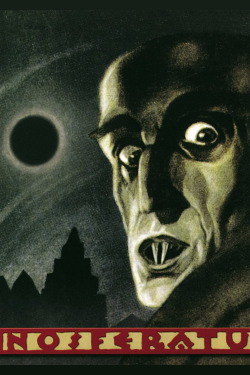
Nosferatu: Iconic yes. Agreeable today? No 3.4/10.
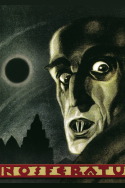
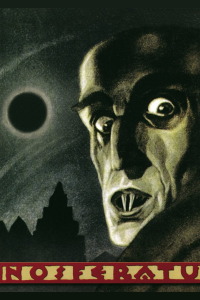
One of the many cited 'classics' of the German Expressionist era that began in 1919 and ended in 1925. Nosferatu, one of the earliest pioneering horror films, and the first adaptation of Bram Stoker's Dracula is about as pleasurable as watching magnolia paint dry. Rating a film on what it brings in terms of inspiration and in its defining of an era does not constitute or equate to a true or honest review. While it has of course dated intolerably, I have nothing against the unspoken silent form. In fact I found the 1919 Cabinet of Dr Caligari to be most interesting and stylish in its assembly. Nosferatu was made at a time when Germany experienced a time of isolation in cinema from the US who at this point had established more prominent film in continuity editing. With rationing of electricity at the time of production, Nosferatu's light and shadow via mise en scene is mostly painted on or as his most elaborate sequence, lit from one angle (silhouette up the stairs). This entire historical context makes this iconic film an interesting lesson in movie making, but as for being a brilliant piece of cinema Nosferatu falls flat on its fanged face. Everything displayed here can be understood through the era but it does not make this feature any better or stirring. From its subdued and uncreative attempt to scare, the shock factor is as shrivelled up as the Draculas skin itself. Murnau made superior films later on in the 20's, and the era defining cinematic score shows no attempt at developing an atmosphere or indeed suspense of any nature. Put short Nosferatu is bland, tasteless and provokes no reaction at all from a modern audience. It just is. For such over dramatic German expressionism in its acting (of which the roots lie in theatre) I found the whole process rather underwhelming and as dull as Birth of a Nation on what felt like 5 frames a second. This is a fine example of experimentation and cinema developing, but in truth horror never really succeeds until 1960, after the shuddering bad B-movies of the 1950's. Nosferatu needs to sleep, and while compared to some of today?s standards in vampire films it does not entirely fail, it never entertains (at least Twilight had as much plausibility in acting and plot as a friendly leech, which gave it some humour). Overall Nosferatu is worth at least one watch, but it is certainly not a film to keep on the bookshelf and more useful as a coaster than anything else. This vampire needs a long permanent sleep. Awful.
This review of Nosferatu (1922) was written by Callum R on 14 Oct 2009.
Nosferatu has generally received very positive reviews.
Was this review helpful?