Review of Mean Streets (1973) by Grant M — 01 Nov 2008
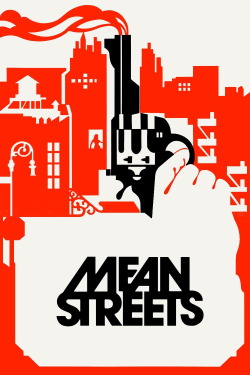
Having viewed so much of Scorsese's body of work before having the pleasure to view Mean Streets; his third, and career making feature put me in an interesting position. What I expected to see was the genesis of the great film maker's trademarks; long slow motion tracking shots, rapid fire editing, cinema verite, and his pioneering use of popular music. All this is evident in Mean Streets, if in a slightly less polished form.
What was most stunning and unexpected for me; who considers themselves a true Scorsese expert, is that Mean Streets may be his most personal film. Themes of guilt, sin, and morality (which are ever present in Scorsese films) are at the essence of the film and its main character, Keitel's Charlie.
Charlie is self loathing, consumed with sins and redemption in a life where he can find little solace. Everywhere Charlie turns he is faced with people or situations that challenge his notions of right and wrong. His only outlet is to channel his attention and charity to the hapless Johnny Boy.
DeNiro's Johhny Boy is a revelation, the first of DeNiro's collaborations with Scorsese is right up with the best of them. DeNiro plays an aloof loser with the danger of Travis Bickle in Taxi Driver, combined with the sentimentality of Rupert Pupkin in King of Comedy. It is a startling performance brimming with confidence and inventiveness.
Having FINALLY viewed Mean Streets it is with a distinct sense of satisfaction that I can say that the key players, being Keitel, DeNiro and Scorsese all went on to brilliant careers. It is with equal satisfaction that I can now say I have seen where it all began, and the point at which modern movies were forever changed.
This review of Mean Streets (1973) was written by Grant M on 01 Nov 2008.
Mean Streets has generally received very positive reviews.
Was this review helpful?