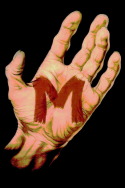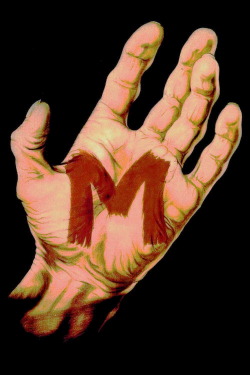
Review of M (1931) by Spencer S — 27 Oct 2011
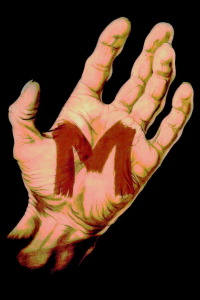
One of the front runners for Fritz Lang's best films, and one of the best examples of German expression and the modernist movement, M is a story with a message that is either moralistic of the times or includes fear tactics in modern society.
The film was made as Germany's first sound film, and created the serial killer genre, and police procedure type of situations. It follows the exploits of Berlin before Nazi Germany had truly risen to power.
The townspeople in this film become heavily invested in torches and pitchforks trying to find out the identity of a child murderer living among them. (hence the original title Murderers Among Us) They become irrationally hostile towards all people who are suspected in the web of criminal activity that perforates the city.
We watch the dynamics between the criminal element and the concerned parents becoming dangerous to each other and those around them. The first hour of the entire film builds this raw tension up to bursting, teasing us with scenes without any diegetic sound whatsoever, reeling us in but with an uncomfortable air, as if music itself was too simplistic for the audience.
When we're introduced to Hans Becker as this reviling monster, we've already been led to believe that the villagers and police are the villains, that we almost feel sympathy for him. Whenever they find anyone even resembling his form they become violent and untrustworthy with their resulting actions, which makes any human's fate a very scary question to pose to oneself.
He seems absolutely pitiful, and maybe my sympathies would have been extended to the very end of the film, had it not been for the fact that he writes a letter to the police which basically says, "Nana nana boo boo," telling them they will never find him, and that he wants national presence among the people.
He creates the unrest willingly, so the fact that many point to this and lump it in with Lang's later work, The Testament of Dr. Mabuse, is ludicrous. I can see the connection to the townspeople as the Nazi party, but it doesn't configure with what we know of the dymanic between all involved parties.
I do assert that one particular scene looks like they collected items from rounded up criminals, much like when they took Jews' suitcases before boarding trains to concentration camps. The performance by Lorre is bug eyed and irritatingly nervous, which doesn't make sense with the fact that he feels so clinical about his actions in the letter, but in the final scene, it all makes sense.
He becomes cornered, and we finally look at the morality of killing because of compulsion. I could see this being used in a case against the death penalty, or to change legislation on the prosecution of criminals in our systems.
(Hitler used it to warn of the dangers of pedophilia.) Hinging on shots of staircases,mirrors, shadows, and only including diegetic music but not sound, this film oozes German expression, barely using sound, as if Lang changed his mind over what to use every other week of shooting.
It's a remarkable film, overall, sinister and morally reprehensible, it's one of Lang's many masterpieces.
This review of M (1931) was written by Spencer S on 27 Oct 2011.
M has generally received very positive reviews.
Was this review helpful?