Review of Lorna's Silence (2008) by Eric F — 28 Oct 2009
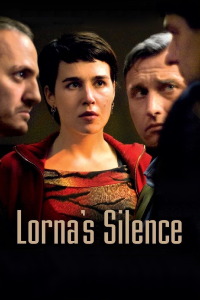
"Lorna's Silence" is the newest film by two of the world's best filmmakers: the Dardenne brothers, Jean-Pierre and Luc. Although still fairly obscure to the majority of Americans, anyone with a passion for cinema can easily recognize their vast amount of imitators and devoted followers. They make relentlessly raw pictures, cruel and natural, a harsh endeavor into social realism. Their characters are all driven by guilt, often forced to come face-to-face with their most vicious mistakes and make amends. "Lorna's Silence" is perhaps the most atypical of their work, and it's not on the level of some of their best ("The Child", "The Son"), but a bad film from such brilliant filmmakers is about on par with a masterpiece by anyone else.
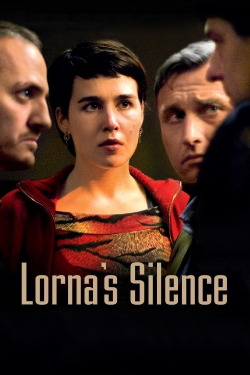
Lorna (Arta Dobroshi), an Albanian immigrant, has recently earned Belgian citizenship by marrying a drug addict, Claudy (Jérémie Renier). The marriage is a sham, however, as Lorna only wishes to open up a bar with her boyfriend, Sokol (Alban Ukaj). The plan was put together by a shady mobster, Fabio (Fabrizio Rongione), who plans to marry Lorna for his own citizenship once Claudy is out of the way. Initially, the idea was for Claudy to overdose, but things aren't so easy when Claudy is inspired to quit his drug habit cold.
Jérémie Renier, a frequent favorite of the Dardennes (he played the young father in "The Child", the boy in "The Promise"), plays Claudy as a vile creature with a perpetual tremble and the neediness of an infant. Early on, Lorna fills a bowl of water for him as kneels on the floor in pain. Although an opportunist, Lorna is not entirely devoid of compassion. She takes pity on him, and plans to divorce him rather than killing him. She tells him to hit her. Claudy can't. Suddenly she's aware that she's become a sort of surrogate mother to this lost boy.
She becomes a "mother", in an almost literal sense, later on. It's a mysterious pregnancy, one Lorna is convinced of, however one the doctors say isn't true. The Nativity scene may spring to mind, and such biblical references are not foreign to the Dardennes ("The Son", about forgiveness, heavily involved carpentry).
This film feels the least natural of all of the brother's works. It's more heavy on plot, and the camera doesn't seem quite as relentlessly focused on the protagonist. For that reason, it's not as hypnotic as their previous works, but it still boasts the performances, writing, and complex thematic ideas that their films have become known for. It's not their best, but this is a good starting point for anybody unfamiliar with the directors.
This review of Lorna's Silence (2008) was written by Eric F on 28 Oct 2009.
Lorna's Silence has generally received positive reviews.
Was this review helpful?