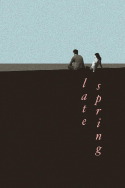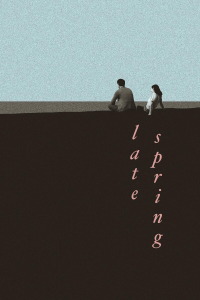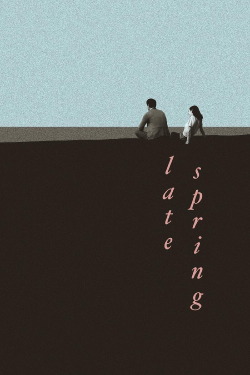
Review of Late Spring (1949) by Joshua B — 03 Aug 2011
The deliberately slow pacing of Ozu's depictions of postwar Japan mirror the reality of society's constant state of transition. His static camera embodies the feeling of a change so slow as to be nearly undetectable.
In telling the story of Noriko (in this film and two subsequent films -- Early Summer and Tokyo Story), Ozu favours the nuances of relationships over the action of the plot, with remarkably subtle results.
Given that emotion is so hidden in Japanese culture, the actors have the difficult task of pulling off believable emotions without actually showing them overtly while other characters are onscreen. It is a sly game that Noriko (Setsuko Hara) and her aging father (Chishu Ryu) play, both trying to relieve the other of the burden of care.
The two are brilliant here, capturing the complexities of family life when tradition and progress are at odds within society. Noriko's modernity and lack of interest in romance leads her to reject suitor after suitor and remain with her father until well into her 20s.
And her father's concern for his daughter's future means he will try to convince her to marry because it will be better in the long term. Whether the film is tragic is up for debate, but it is undeniably powerful.
This review of Late Spring (1949) was written by Joshua B on 03 Aug 2011.
Late Spring has generally received very positive reviews.
Was this review helpful?