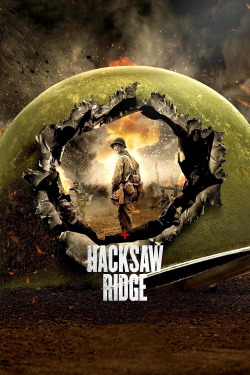
Review of Hacksaw Ridge (2016) by Sarah L — 03 Mar 2017
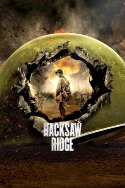
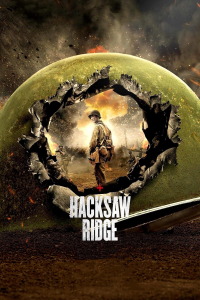
Mel Gibson is back in the director's chair for "Hacksaw Ridge". If there was any thought that perhaps Gibson would soften after spending years away due to his several explosive temper tantrums, do not have that thought for very long. The battle scenes in "Hacksaw Ridge" are among the most intense captured on film. However this film is not simply a war film, but this unrelenting honest portrayal of war is balanced with a pacifist medic who refuses to carry a gun into battle. This juxtaposition of medic Desmond Doss (Andrew Garfield) and his decision to not carry a weapon and his subsequent heroic actions that saves 75 soldiers matter all the more because we see the true horror of war.
If the opening scene of "Saving Private Ryan" dropped viewers into the middle of war, "Hacksaw Ridge" does exactly the same. Soldiers are burned, shot, and stabbed. Blood washes over the screen in surges not leaving the viewers any room for imagination. This very gruesomeness of war is necessary for the storytelling to compare to the opposed innocent, reserved and good-hearted protagonist, Doss. Gibson very quickly is able to identify this stark contrast that continues as the film progresses.
The juxtaposition continues, as we are able to further grow to know Doss. Desmond Doss refuses to pick up a weapon because of his religious beliefs that one should never kill. Still, he insists on serving his country and fellow men, and much to the surprise and disgust of some, Doss convinces the Army to send him overseas as a medic, with his Bible at his side, to serve in the gory thick of the Battle of Okinawa. Doss's resolution of religious commitment to his Sabbath and religion, alongside his perseverance in battle demonstrates two worlds colliding.
We are able to watch Doss and his battalion bravely climb up the rope ladder at Hacksaw Ridge that leads them into the jaws of death and true horror, and it is here that we are able to view the pivotal point of the film. Through the terror and realism of war, we are able to see Doss turning to God and praying to let him hear His voice. Immediately after this prayer is uttered, we hear the desperate cries of an injured soldier. It is through this scene that we are able to witness religion and battle uniting in a way that the conflict of religious sensibility and duty to warfare are able to coexist.
Mel Gibson as director of this film, being devoutly religious, yet unafraid of depicting the true grit of war, was able to bring contrasting worlds together into an epic film where both battle and religion play equal roles. Gibson's ability to share this story forces on the audience members a sense of responsibility and understanding of what it truly means to send people to war, as he should. The film is able to act as an eye-opener to the harsh reality that too many are ignorant to, or often takes for granted. Through Gibson's unrelenting depiction of World War II, and the underlying theme of righteousness, "Hacksaw Ridge" is able to uniquely accomplish far more than simply entertaining its viewers for a couple hours, but as an insight to a harsh reality of a true story full of unambiguous contrasts.
This review of Hacksaw Ridge (2016) was written by Sarah L on 03 Mar 2017.
Hacksaw Ridge has generally received very positive reviews.
Was this review helpful?