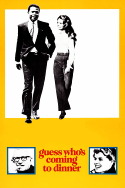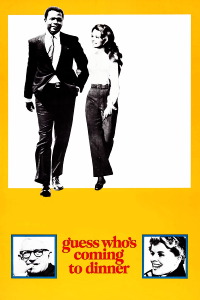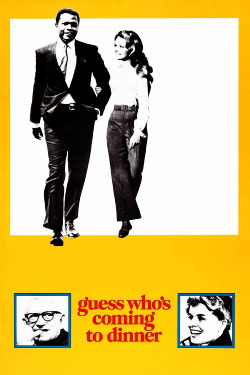
Review of Guess Who's Coming to Dinner (1967) by Rachel L — 17 Nov 2011
Naivete, perky optimism - the face of the civil rights movement?
To Kill a Mockingbird situation - the "optimal black man" who even Mr. Prentice admits that he can "find no fault" in (just like Tom Robinson). The only objection come down to race.
Exposes Mr. Prentice as a "liberal fraud".
"This whole thing happened so quickly it's like trying to ride a rocket".
- speed that the civil rights movement happened didn't give people time to adjust/consider all of the possible social nuances.
- Romeo and Juliet feel --> can only end in pain?
"The doctor" - separating themselves from him by not referring to his name.
The parents representing the dying ideals of an antiquated generation. When John speaks to his father, anguished at his disapproval, he speaks with the voice of his generation, who refuses to be defined, any longer, by race or gender or sexual preference. It's a post-modern moment perfectly captured in time: "You think of yourself as a colored man. I think of myself as a man.".
"You don't know who I am ... You are 30 years older than I am. Not until your whole generation has laid down and died will the dead weight of you be off our backs. You understand? You've got to get off my back.".
This review of Guess Who's Coming to Dinner (1967) was written by Rachel L on 17 Nov 2011.
Guess Who's Coming to Dinner has generally received positive reviews.
Was this review helpful?