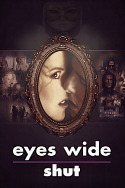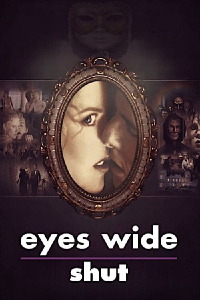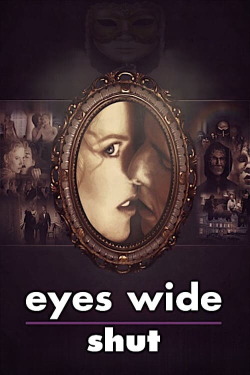
Review of Eyes Wide Shut (1999) by Frances H — 28 Jul 2016
Kubrick's films are always extremely thought-provoking, and this one is no exception, but Schnitzler's novella doesn't translate easily to modern day New York from turn-of the-century Vienna, with the outrage of Victorian middle class morality to the sexual interpretation Freud put on the forbidden fantasies of dreams as a result of sexual repression.
The sexual revolution of the 1960s and 70s makes these scenes of orgies and the need for secrecy about them seem rather nonsensical in modern society, where weekend frat parties are just about as bad, certainly nothing worth potentially murdering to keep secret.
The connection of sex and darkness, sex and death makes some sense, because of the introduction into the story of HIV, although in Schnitzler's time before antibiotics general disease was just as much of a risk.
In 1900's Vienna, the issues of the plot are also in connection with anti-Semitism (Schnitzler, like Freud, was Jewish) and the sense of a dark future coming is seen by history to come to fruition.
The sense of doom in the original work is echoed in other Jewish writer's of the time, such as Kafka That sense of doom translates somewhat to the AIDS epidemic, but it is a harder sell. Taking a literary work so far out of its time period is difficult, and in this case, although interesting, not as entirely successful as other Kubrick films, although Kubrick is always intellectually stimulating.
This review of Eyes Wide Shut (1999) was written by Frances H on 28 Jul 2016.
Eyes Wide Shut has generally received positive reviews.
Was this review helpful?