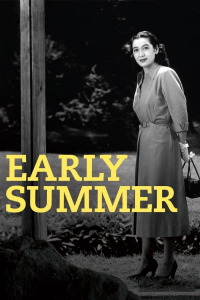
Review of Early Summer (1951) by Private U — 04 Dec 2007
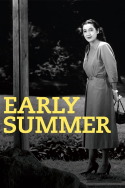
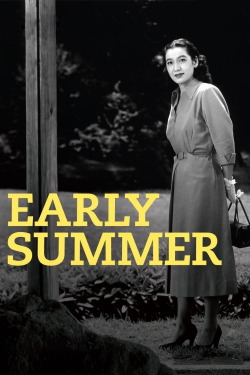
Another great film by the master of family drama. The dissolution of the family is once again a major theme. Like in Late Spring, the great Setsuko Hara plays a single woman in her late twenties who is pressured by her family into marriage. Unlike Late Spring, Hara's character is a modern, more rebellious type of woman, or so it initially seems. Is she driven to her actions by her selfish and independent lifestyle, or are her actions driven by something else? The outcome however is the same. The motif of trains and tracks symbolizes the increasing distance between the different generations, both physical and emotional. Ozu's films are never heavily driven by plot, but by a sense of the realism of casual everyday life in order to capture those small pleasures and disappointment that life comprises of. Despite their surface simplicity, they are rich and sincere. This film can be considered the second part of the Noriko trilogy, bookended by Late Spring and Tokyo Story. It's the most lighthearted and comic one but no less poignant.
No. of camera movements: 7 (gasp! Too many for an Ozu film!).
This review of Early Summer (1951) was written by Private U on 04 Dec 2007.
Early Summer has generally received very positive reviews.
Was this review helpful?