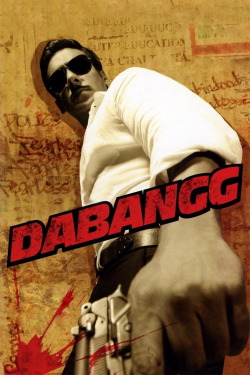
Review of Dabangg (2010) by Sabira U — 16 Nov 2018
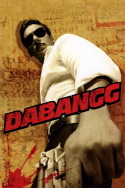
Though this film was released in 2010, it is reminiscent of traditional, ï¿ 1/2 1/2 1/2 1/2old schoolï¿ 1/2 1/2 1/2 1/2ï¿ 1/2 1/2 1/2ï¿ 1/2 1/2ï¿ 1/2Â? Bollywood films. Dabaang follows classic Bollywood storylines surrounding family drama, love, and marriage, but a modernized approach. The plot of the story is greatly dramatized by visual effects commonly found in action movies, such as scene cuts, camera angles, and sound effects. Utilizing techniques found in action movies exaggerates the intensity of the storyline, which has led to great success in the film in conveying the emotions of the characters to the audience and making us invested in the storyline; the film keeps you on the edge of your seat. Sangita Gopal has written extensively about dramatization in Bollywood film; "Hindi cinema ï¿ 1/2 1/2 1/2 1/2" melodrama, elaborately staged musical numbers, fairy-tale endings and a big starcast ï¿ 1/2 1/2 1/2 1/2" and then proceeds to exaggerate these features, making big, glittering films that return their weight in gold at the box-office." Gopal expresses how the classic themes that are explored in cinema are exaggerated to resonate with audiences. Dabaang follows a similar formula, however uniquely utilizes techniques found in action and suspense for the purposes of creating an easily relatable and consumable film.
While Dabaang uniquely approaches classic themes, it draws its plot and production from other Bollywood films that have seen major success. For example, Dabaang explores the similar themes to those explored in Khabi Kushi Khabi Gham, but uses different approaches to get their points across. The over-dramatized scenes in Dabaang, such as the many slow-motion fight scenes, present these themes to the audience in updated, yet familiar ways. Expressing Chulbulï¿ 1/2 1/2 1/2 1/2(TM)s heroism through fight scenes helps audiences reminisce and connect to ï¿ 1/2 1/2 1/2 1/2old-schoolï¿ 1/2 1/2 1/2 1/2ï¿ 1/2 1/2 1/2ï¿ 1/2 1/2ï¿ 1/2Â? Bollywood, while maintaining its modern approaches in other areas of the film. Even though Dabaang is an enjoyable throwback to classic Bollywood, there are some themes that could have remained in the past. Though in recent years the representation of women has shifted, Dabaang reinforces outdated female archetypes. One example of this is the scene with the song ï¿ 1/2 1/2 1/2 1/2Muni Badnamm Huiï¿ 1/2 1/2 1/2 1/2ï¿ 1/2 1/2 1/2ï¿ 1/2 1/2ï¿ 1/2Â? with the stripper who is performing. Though this scene tries to elicit emotions of joy and happiness, women watching the film may not have the intended reaction. The nameless stripper in this scene is just one shortcoming of the way women are represented in Dabaang.
References.
Gopal, Sangita. "Sentimental Symptoms: The Films of Karan Johar and Bombay Cinema." 2010.
Bollywood and Globalization : Indian Popular Cinema, Nation, and Diaspora, edited by.
Rini Bhattacharya Mehta, and Rajeshwari V. Pandharipande, Anthem Press.
This review of Dabangg (2010) was written by Sabira U on 16 Nov 2018.
Dabangg has generally received mixed reviews.
Was this review helpful?