Review of Cries and Whispers (1972) by Robert F — 18 Aug 2010
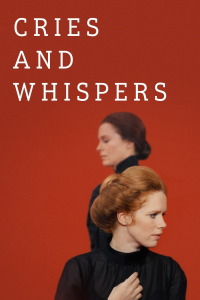
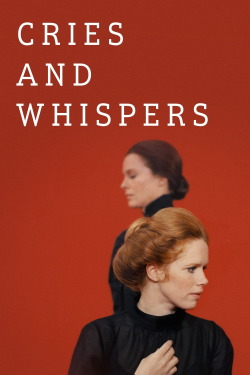
Cries and Whispers is a masterpiece of cinematography and atmosphere, two of the most important elements of a movie. Unlike most of Ingmar Bergman's films, Cries and Whispers uses saturated colour, the turn-of-the-century rural Swedish mansion being primarily crimson, a symbol of guilt, sin and anger, blood and sex, as well as the characters' struggle with courage and sacrifice. The time period seems insignificant to the story, except that it endows the film with a quiet, insulatedly domestic feeling.
A dying woman is overseen by her sisters as she deteriorates and her pain grows. Both worry and disgust vie for control of the sisters' emotions, as they seem incapable of empathy. Liv Ullmann is, as always, incredible, but Ingrid Thulin stands out even more than her. She is so emotional and provocative. The only comfort and solace comes from her maid, played with a crushing tenderness by Kari Sylwan.
As is a telling characteristic of Bergman's, logic of symbolism is applied to emotional pain, and though we look at some scenes such as the sisters retreating from their dying sister as she grasps for their hands, each repelling in their own ways, in a more detached and intellectual way, there are scenes such as the final one, which shows Harriet Andersson's face, juxtaposed with her voices, juxtaposed with all that has happened, which draw deep feelings from us as the final taste left in one's mouth as the film closes.
This review of Cries and Whispers (1972) was written by Robert F on 18 Aug 2010.
Cries and Whispers has generally received very positive reviews.
Was this review helpful?