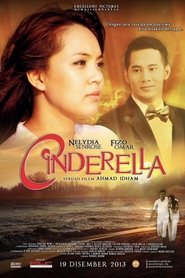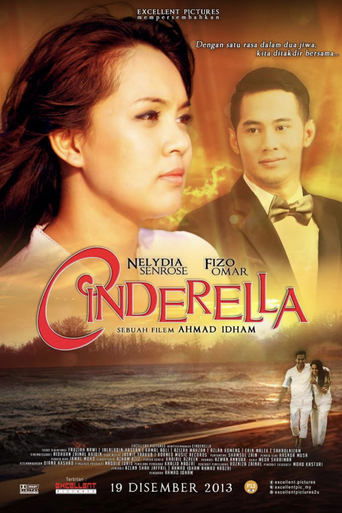
Review of Cinderella (2013) by Dave C — 09 Nov 2015
The success of this recent remake of Cinderella (from the Disney storytellers) makes for an interesting study of fairy tale allure. As a live action film, the first question to surface is where it will fall on the line between parody or sincere drama. The question that inevitably follows is how it addresses the classic/modern mix.
To the former, director Branagh leaves little question about where he sits on the line between parody and sincere drama. Cinderella takes itself seriously. The opening moments (in which the film must deal with the death of Ella's father and mother) are reminiscent of some of the more honest animation of Disney past (Bambi comes to mind). The entire scenario that develops in the relationship between Ella (played with wonderful grace and vulnerability by Lily James) and the stepmother Lady Tremaine (Blanchett) is equally complex, taking opportunity to breathe some interesting emotional layers in to her own back story.
Branagh also makes the curious decision to use a score rather than musical numbers. The score adds elements to the scenes that help elevate the drama in important ways, and in this context proves to be far more effective than musical numbers would have been. And we can add to this a wonderful sense of detail and a darkly nuanced setting (the details of the Tremaine house, including the attic where Cinderella is eventually locked up, manages to fuse together a period piece and modern influence, and the ballroom and king's palace is gloriously coloured so as to feel accessible and real while at the same time breathtaking to watch on screen).
We can add to this same point a recognition of the way that Branagh incorporates the animals (that are prominent in animated history and other parodies as talking, slapstick critters) that play a central role in helping make Cinderella's trip to the Prince's ball come true. He develops a relationship without transforming the animals in to comic relief and without giving them voice (although the transformation in to carriage driver and chaperone's is a great, timely piece of comedic moment).
And lastly, to this first question, we come to the relationship between Cinderella and the Prince. Here the two are introduced early in the narrative, allowing the Prince's Ball and Dance to be a further expression of this developing relationship. This allows the story to reach further than simply Cinderella's dream, and gives a feeling of sincerity to the character's chemistry.
To the second question, the film approaches the classic/modern mix with a degree of intentionality. I would add to this the question of realism and the fantastical. Much of what comes out in the first question sets the foundation for Branagh to do this effectively so as to create a sort of timeless feel. I believe what he does most successfully is to avoid overwhelming the film with anything that demands it to fall in one direction or the other. The meeting with the fairy Godmother (which Ella earnestly insists does not exist) is a great example of utilizing the scene of the crippled old woman who turns at a moment in to the mystical fairy image. It happens with the sort of subtlety that makes the magic of the transformation (from lady to godmother, from pumpkin to carriage, from animal to oddly formed human variations) seem entirely possible.
Setting and costume design also plays a big part in allowing the film to feel cohesive. For all of the period elements, the characters and dress come across as modern and familiar.
I would suggest that it is not an easy thing for a classic Disney story to be translated as an important, dramatized piece. It is much easier to translate (especially in live action form) as a parody (Drew's take on Cinderella and even the more recent Enchanted succeeds on this level in a different way than it finds similar success here). If the film deserves acknowledgement it should begin with this point. The performances (including Blanchett, who delivers a layered and understated version of the step mother), the costume and design, the choice of direction and the dramatic score all function equally on top of this to make a film that feels and appears timeless, just as all fairy tales should.
This review of Cinderella (2013) was written by Dave C on 09 Nov 2015.
Cinderella has generally received positive reviews.
Was this review helpful?