Review of Chimes at Midnight (1965) by Paul M — 29 Jun 2015
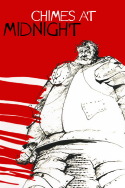
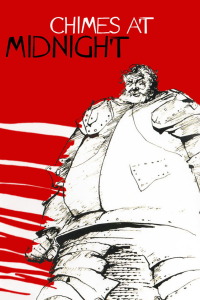
Orson Welles's Falstaff: Chimes at Midnight is a remarkable adaptation of Shakespeare's plays Henry IV Parts 1 and 2, with elements from King Henry V and a few other plays. Welles himself stars as Falstaff, the lovable criminal that is like a father to Prince Hal, the eldest son of King Henry IV. As Hal's relationship with the King becomes more and more strained, he seems to grow closer to Falstaff. A series of threats to the crown, however, forces Hal to choose between these two father figures.
In the plays, Hal never had to choose. He was always his father's son, and his time spent drinking, gambling, and whoring in the tavern was part of his plan to better understand the various people that would eventually be under his rule. The movie, however, takes Hal on a slightly different journey through his relationships, making him more uncertain and misbehaving until he is called upon to lead. This works well in the movie, because Welles plays Falstaff as endearing even as he uses the people around him and displays cowardice. By making him even more central to the story than the plays, the movie focuses and heightens the already conflicted emotions of the plays centered around Falstaff.
Welles is fantastic! He finds both the comical and the heartfelt in Falstaff. During a violent and horrifying battle scene, he perfectly contrasts the horrors of war with the slapstick of Falstaff cowardice.
I felt Keith Baxter as Prince Hal was not quite as effective as his character. In a movie that is already quick-paced and edited, his character seemed overly excitable and juvenile. This also thwarts the impact of his scenes with his father, where his acting seems too overwrought.
I think by focusing on Falstaff a little more than the plays do (there is nothing added, but the streamlined story and editing makes Falstaff just a little more central), the movie loses some of the impact of Prince Hal's own story.
Such is the price of adaptation. This movie is incredibly well done, vibrant, and full of incredible camera movements and framing, including scenes that highlight the cavernous castle and, figuratively, the immensity of rule. Another highlight were the low camera angles of Hotspur and his rebels, framing them against the gigantic sky.
Shakespeare's history plays are complex and thought-provoking. This adaptation mostly succeeds in emphasizing a portion of these, giving Falstaff more prominence and leading to the same heartbreaking ending and one of Welles best performances ever.
This review of Chimes at Midnight (1965) was written by Paul M on 29 Jun 2015.
Chimes at Midnight has generally received very positive reviews.
Was this review helpful?