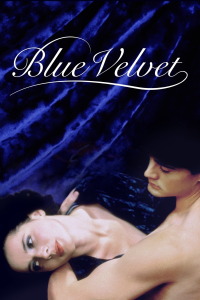
Review of Blue Velvet (1986) by Jake C — 20 Jul 2017
What is the fantasy on display? Is it the virginal pleasantry of small town America, with its promise of happy couplings and parental blessing? Is it the dark erotic violence that seems always just beneath the surface of day-to-day life? For Lynch, the fantasies of good and evil are ineluctably related, distinguishable but impossible to disentangle.
This is so in part because, as Todd McGowan has argued, these reflections belong to the fantasmic structure of masculinity and the American patriarchy, of epistemic closure and totality-and so both are threatened by (and end up threatening horribly) a woman's uncertain desire, her refusal to fit neatly into the world of man's dominance.
The film is exceptionally abusive towards Rossellini's character, Dorothy, and it is small wonder the shock those scenes of misogyny caused when the film was released, and still today; yet the most violent and subversive aspect of the film is not what the male characters do to her (which she often invites), but what they can't (because she resists)-the failure of men to master her, to understand her, to satisfy her, therefore their constitutive inability to master, understand, or satisfy themselves.
This review of Blue Velvet (1986) was written by Jake C on 20 Jul 2017.
Blue Velvet has generally received very positive reviews.
Was this review helpful?