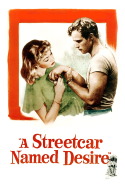
Review of A Streetcar Named Desire (1951) by Suzanne H — 15 May 2012
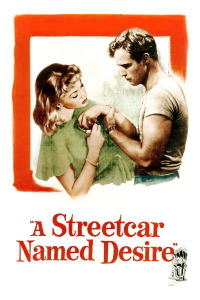
To celebrate the Blu-Ray release of A Streetcar Named Desire, I watched this wonder of a movie for the nth time. I don't think there's ever been a most succesful adaptation to film from a play than Elia Kazan's version of the celebrated and still relevant masterpiece written for the stage by Tennessee Williams.
Featuring the two performances that changed movie history forever, Marlon Brando and Vivien Leigh depict the darkest extremes of the human psyche and how desire can corrupt someone in its most vulnerable state.
It's also a deep reflection on how men and women are differently affected when dealing with the dangers of repressed feelings, men in outburst of anger, and women in silence and fantasies, but both to the point of insanity.
The film makes Blanche DuBois the star of the story, just the way Tennessee intended. And even though Brando is spectacularly good, never had an actress before Leigh -in film- depicted so many contradictory and dangerous emotions, feelings and expressions.
Kazan says Leigh wasn't talented but tried really hard. This is the same disdain Hitchcock had for Kim Novak in Vertigo. Luckily, time has done justice to both actresses as they stand as the finest performances ever put on film.
Legend says it was Blanche who drove Ms. Leigh to maniac depression in real life, for which she had to be treated with electroshock therapy. True or not, with her performance in Gone With The Wind twelve years before, and with her emblematic Blanche DuBois, it's safe to say Vivien Leigh is cinema's best actress and hasn't been surpassed.
This review of A Streetcar Named Desire (1951) was written by Suzanne H on 15 May 2012.
A Streetcar Named Desire has generally received very positive reviews.
Was this review helpful?