Review of Wonder (2017) by Mike V — 15 Apr 2018
The 2017 film Wonder, based on R. J. Palacio's novel of the same name, follows the story of Auggie Pullman (Jacob Tremblay) as he enters the fifth grade. The typical worries of entering a new grade are amplified for Auggie since it is his first year not being homeschooled. The first decade of Auggie's life was filled with dozens of surgeries to address complications due to Treacher Collins syndrome.
Treacher Collins syndrome is characterized by facial differences around the eyes, ears, nose, and jawbone. These differences can cause difficulty breathing, speaking, and hearing that can usually be improved through reconstructive surgeries. 1 in 50,000 people are born with Treacher Collins syndrome and 1-2 in 1,000 are born with craniofacial differences.
With a fairly large population of affected actors to choose from, many in the disability community were disappointed and frustrated when the producers chose Jacob Tremblay to play the role. Since Tremblay is not affected by a facial difference, he was made to look disfigured with extensive makeup and had to fake a speech impediment. Tremblay did reach out to children with craniofacial differences in an attempt to accurately portray their experiences, but surely Auggie's experiences could have been better shown by someone who does not have the ability the wipe off their facial differences at the end of each day.
Ariel Henley, a writer with facial disfigurement as a result of Crouzon Syndrome, explains that she liked the idea of seeing "someone like [herself] on the big screen". She could identify with Auggie's struggles through numerous surgeries to correct facial differences and the childhood experience of "trying to understand why [she] was different and why [she] didn't belong." The camaraderie that the craniofacial community could feel with Auggie ended once Tremblay was cast.
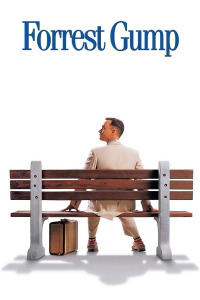
The film industry has a history of casting nondisabled actors as disabled characters- Dustin Hoffman in Rainman and Tom Hanks in Forrest Gump are two critically acclaimed examples. It is surprising that this pattern persists into the 21st century: a time where 'inclusion' and 'diversity' are buzzwords that have received attention across almost every facet of society.
Jay Ruderman, the president of the Ruderman Family Foundation which focuses on disability inclusion, makes the point that, "We no longer find it acceptable for white actors to portray black characters. Disability as a costume needs to also become universally unacceptable". Currently, disability acting has become a place for nondisabled actors to show the scope of their ability rather than a place to focus on the experiences of those in the disabled community.
When a nondisabled actor plays a disabled character, the disabled experience is almost always misrepresented. This misrepresentation can cause the viewer to form stereotypes about people with disabilities and prevents nondisabled viewers from gaining an understanding of the disabled experience.
Not using actors with disabilities, especially in a movie like Wonder that is aimed at children, sends the message that people with disabilities are unable to represent themselves. This message can be especially harmful to children with disabilities who, like their nondisabled peers, are still trying to figure out where they fit in the world. A lack of role models can hurt their sense of self-worth. In most cases, the only thing preventing a disabled actor from playing a disabled character is the casting director's preferences and biases.
Disabled actors must be cast in order to show both nondisabled people and children with disabilities that disability does not equal incapability. Being part of the disability community should not come with shame but with pride.
This review of Wonder (2017) was written by Mike V on 15 Apr 2018.
Wonder has generally received very positive reviews.
Was this review helpful?