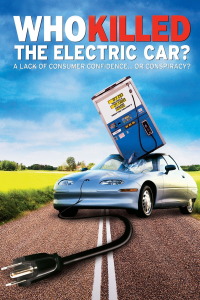
Review of Who Killed the Electric Car? (2006) by Juan C — 04 Jun 2011
Review circa 2006: Lengthy and economics laden!
An enjoyable experience was created at a viewing of Who Killed the Electric Car? It was great to see such a film in the usual sold-out festival atmosphere. Groans and laughs only a post-modern irony audience could truly understand.
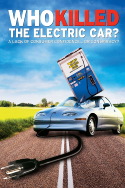
The film itself was a thoroughly intriguing case study of all the parties responsible for the unfortunate downfall of the electric car. It shows that the initial development was lead out of California due to environmental reforms, only to become a success that the car companies were less than interested in. The film is very well paced, and drags only slightly in the second act, but overall sends a very persuasive message that leaves one feeling less pleased with certain world powers. It is also a strange feeling to feel empathy with a crushed car.
The suspectsâ names in the murder of the electric car were consumers, the electric car development program, the batteries the cars used, the automotive industry, the Californian environmental reform act, oil companies, the government, and the newer hydrogen cell hybrid cars. Itâs a very interesting cast of characters, many of whom are inter-related, in a complex array of motivations.
Consumers were blamed for not embracing the electric car. Of course this is true to an extent. However, consumers need to be shown products to know whether they will accept them or not. Consumers do not actually know what they want until the choices are presented to them. What was disconcerting, was the embracement of fuel-guzzling bricks of transport after the death of the electric car. I guess attitudes are hard to change, and the current environment of fear in America, means one can but protect themselves with such a car. The oil industry can but smile at such inefficient usage of resources.
The electric car development program left with rather clean hands in the demise of the electric car. Such a program only existed due to legislation that required car companies to spend a percentage of their budget on alternatives to fuel based cars. General Motors initial success of its electric car models, lead to its eventual downfall. Once the product proved popular, marketing costs were limited, research and development funds were scaled back, and decent ran rife through the company.
Some blamed the batteries that the electric car initially used as a component in its downfall. The electric car initially had some problems with the batteries they used due to the limited fund the program had. However, these were very crude relative to the second-generation batteries that they began to use. With great advancement occurring in this technology, batteries were only going to get better and better at storing energy efficiently.
The car companies were as guilty as guilt in the eventual downfall of the electric car. It must be remembered that the car industry is a close friend with the oil industry, with much cross-investment existing between the two industries. They are strong complements of each other. As such, no interest exists in handing over market share to the electric industry.
Another problem was that the electric car went against the car companiesâ current business model. Profits would deteriorate as the electric car became popular. Much of the business model exists in the replacement parts that car companies sell to third parties. With the electric car, the engine parts sold to dealers would become obsolete. A dramatic labour shift would occur, as mechanics would find their labour market eroded by the need for electricians. In the end, the car companies were being forced to do something that would be extremely harmful for them.
The oil industry was obviously against the electric car as electricity is a pure substitute to their product. We must also not forget that the oil industry is synonymous with power. The reach of this power extends to The White House and any subversive programs will face much wrath. The oil companies know no low and even resort to buying patents to retard any advancement in other possible energy sources, such as the battery technologies. Cynical in every way.
An interesting point to note though, is that even if one uses an electric car, the electricity is being supplied by some use of resources. Hence electricity is supplied to the electric car in the form of fossil fuels. That said, this is most likely done at a more efficient rate than the dirty oil industry.
The hydrogen cell hybrid cars are also mentioned as a possible suspect of the demise of the electric car. This is due to the reasoning that better technologies are present in these cars, which will yield more rewards to citizens in the future, than implementing an electric car infrastructure now. However, as one commentator in the documentary mentioned, this is simply a âbait and switchâ strategy. This is done to appease those who think the car industry is doing nothing to minimise pollution, and also to force any industry shake-up into the indefinite future. The potential hydrogen car of the future seems less efficient than the electric car. For example hydrogen cars are sluggish in the cold, an inefficient use of energy, and currently cost one million dollars to purchase. This makes the whole escape even more unsavoury in knowing the electric car is a superior vehicle.
The problems with implementing such a new technology, one that would cause a massive substitution of purchases, are many, varied and extremely hard to overcome. Once a technology enters a certain trajectory, in this case the fuel based cars, it is extremely hard to change the infrastructure, once it has been adopted. Certain factors become irreversible and the dispersed long-term benefits of the electric car model, will always lose to the concentrated short term benefits of all parties interested in the maintenance of the fuel based car.
However someone from the beginning KNEW the risks that the electric car potentially had. This is shown in the way the General Motors maintained ownership of every electric car they made through lease agreements. Using these means, they were able to repossess every single car, from consumers who were more than willing to pay a premium for them. The repossession occurred after laws related to required electric car research were overthrown, and due to this all the electric cars once repossessed, were ever so slowly destroyed.
Industry is always slow to major changes in the marketplace. This is acceptable as only a certain volatility can be accepted from a reasonable person. However, it can also retard advancements that would benefit more people for the greater good. Advancements in the music industry initially met huge opposition from the record labels, however has more recently been integrated into their economic models. It seems the philosophy is to let as many consumers as possible listen to music on their labels. This leads to a positive-feedback cycle that leads to increased sales.
The film industry is slowly catching on, although it is a much more complicated task for independent filmmakers to get you to watch their films, when compared to independent musicians. It will inevitably eventuate though if the broadband technological inroads continue. That said, it is possible for industry to change in a rewarding way when facing major technological advancements.
This will never happen with the car industry, though. Their lobbies are engrained into the political landscape of America. This is to the extent that many of the politicians seem to spit oil from their mouth. It is unfortunate that this attitude will never be changed. Dying for the price of oil is only so noble an achievement.
Car companies will forever force new entrants out of the market through their regulation power, marketplace powers, start-up investments, and required research and development costs. This makes it impossible for an electric car company with noble intentions to start making headway in the industry. The changes will be slow and very painful, fought with spite at every turn.
This review of Who Killed the Electric Car? (2006) was written by Juan C on 04 Jun 2011.
Who Killed the Electric Car? has generally received very positive reviews.
Was this review helpful?