Review of Waste Land (2010) by John T — 25 Mar 2011
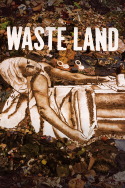
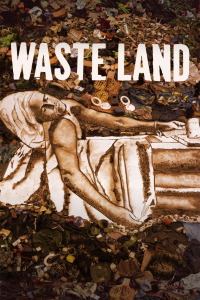
âTo change the lives of people with the same material they work with every day.â? Vik Muniz said. And that is exactly what this documentary is about. Vik Muniz, the main character in this story, is an artist who spends two years in his native country of Brazil working on several art projects. The story develops well and efficiently, starting with an introduction to Vik, his wife and child, and his work. He is interviewed in different places at his home such as the kitchen or his library to expose his environment and comfort zone. Then, this is followed by this idea of a project he has that brings up a dilemma between him and his wife. He plans to go to Jardim Gramacho, the largest garbage sanctuary in the world, which is situated in Rio de Janeiro, Brazil, his childhood city. We are also introduced to Fabio, his working partner, through a webcam.
The story moves forward, going to what would be Act Two. Vik and Fabio land in Rio. The first person they meet is Lucio, who is the manager of the landfill. Next, the Association of Pickers of Jardim and Tiao, its president, are introduced. There is an interview in a room where the three men are present. Vik explains his plan to Tiao, on how he wants to create art and be able to give back to that community. This interview takes a while not only because Vik is explaining his idea but also because Tiao is a bit skeptical at first and gives his reasons why. There seems to be more than one camera, capturing the reactions of the men who are sitting in a triangular position, all facing each other. Something else that brought good and relevant foreshadowing was a shot of an older man standing in the entrance, listening to the conversation. What is even more interesting is that he was shown while Tiao was saying how people have never believed in him and that the project might not work. Just the facial expression in this manâ(TM)s face gave the perception that he once was in Tiaoâ(TM)s shoes or that he was one of those who didnâ(TM)t believe in him.
Moving ahead, and still in Act Two, Jardim Gramacho is exposed, the workers are shown, and the place is introduced. Many different types of shots such as close ups of the garbage, long shots and extreme long shots of the place, or medium shots of the pickers at work are shown. This is a first look at the landfill and there is still much more to see and hear about. The supporting characters, which to me are the heart of the story, are now introduced, one by one. First, there is Favela of Jardim Zumbi. She talks about her experience, and this is where music starts playing a role. A song with a flute and some other air instruments is played while some shots of her at work are shown. After this introduction, Vik and Fabio ride a small jet to get some aerial shots of the place. âFrom above, you donâ(TM)t have any of the human factors,â? Vik says while he photographs the place from above, and some amazing overhead, high angle, and close up stills of the place are shown. Valter dos Santos, the vice-president of the Association is then introduced. He is in charge of representing around 2,500 pickers and to seek justice for all. Isis is next; she has worked at wasteland for five years. Once again, there are shots of her picking up garbage, accompanied by music. The next character is Irma, who is the cook there and never lets anyone go hungry, followed by Magna. The focus is taken away from the characters for a while. Vik is now wondering which type of garbage would be better to use for the art. They suggest he should use the remains from a big carnival that took place some days earlier. (In fact, some brief parts of the carnival are shown at the vey beginning of the movie). They also mention PVC, which they describe as the âfilet mignon.â? This is the most valuable kind of trash. Moving on with Zumi, this is another girl who works at Jardim, but the only one who is shot during both day and night. She says there are less people and that it is easier to find things at night. Once again, music and different shots such as ELS or MS are shown, but some slow motion is also used to add more drama to the moment. Suelem is next, she is the mother of two, but the thing that stands out about her is that her home is shown and more background and personal information is given. The character part is once again put to a pause. Vik goes back to his childhood neighborhood. His house and parents are introduced and they talk about how that area has changed over the years. The last character is introduced, and that is Isis.
Act Three is really exciting. Everyone is working on the projects, which are photographs of them enlarged on the floor. They all contribute by filling the corners and spaces with the trash that got collected. It is amazing to see each personâ(TM)s reaction once his or her piece of art is finished. Vik takes a picture of each and plans to submit them to an auction in London. A good story element takes place because after working on these projects for such a long time, none of the people want to go back to Jardim, so a dilemma arises. Vik and his crew donâ(TM)t know what to do, they donâ(TM)t know if they should bring them to London, or if they should go back to Jardim and try to get out of there by themselves.
Act Four starts with London. Vik brings Tiao along because his picture is the one being displayed at the auction. His picture starts at 10K pounds, adding emotion to the scene because the prize keeps rising. Finally, the picture sells for 50K dollars. This is a very emotional scene because Tiao feels really important for the first time in his life and he knows that all this money will bring some change to the community. A year later, Vik and the others are reunited; this time they showcase everyoneâ(TM)s pictures at a local exposition at the Museum of Modern Art in Rio. This scene is even more emotional because they feel important for once in their lives, they get to express their feeling to the news reporters, and they are taken out of their daily lives. Irma, the cook, couldnâ(TM)t stop crying because the emotions were very strong.
Act Five ends the movie. Vik gives everyone a copy of their pictures and he goes back to the United States. His goal was accomplished. The documentary was successful because of the shots, the music went well with each situation, the story developed well, showing emotions of happiness, sadness, anxiety, and hope. Lucy Walker, the director does a good job because most of the interviews seemed more like conversations. The characters began feeling comfortable telling their stories. This advocacy, social, and cultural documentary is entertaining, interesting, and informative, giving the viewer an opportunity to feel empathy for the characters and to think about their own lives.
This review of Waste Land (2010) was written by John T on 25 Mar 2011.
Waste Land has generally received very positive reviews.
Was this review helpful?