Review of Vertigo (1958) by Ed B — 07 Mar 2013
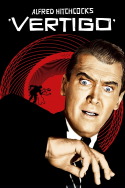
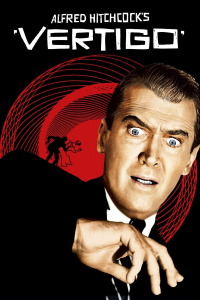
Still as flawless today as it was in 1958, Vertigo is about perception. Not what the characters perceive, but the audience. Carefully, yet deliberately, the secret to this film is revealed about two thirds of the way through it's two hour run time. Few films, if any, go about telling a story in such a manner. The fact that Vertigo is a thriller/mystery makes such a bold act even more compelling.
The ballsy move is done so cautiously and delicately that you think the shocking revelation signals the end of the picture. It was such a brassy ploy that Hitchcock himself was against adding the infamous letter writing scene. In a move that would go down in cinematic history, the studio insisted on including it in the final cut. They claimed that it would be interesting to watch Scotty (James Stewart) unravel something that the viewer knows but he doesn't. It was a brilliant decision. The picture wouldn't be nearly the same or as riveting for the viewer had that scene wound up on the cutting room floor.
By the time that Judy (Kim Novak) indulges us with her written affirmation, we are already hooked. We almost believe that Scotty has been overcome with madness much the same as Madeline Elster (also played by Novak) had been before him. What we want to know is: Was Madeline indeed possessed? Were the demons of a long lost ancestor driving her to insanity and her ultimate demise? Perhaps this wayward spirit now resides in Scotty. What in the hell just happened?
It's only after Scotty is drug through emotional mud do we begin to wonder. His brokenhearted wanderings around San Francisco reveal a man who's much more human than his retired cop personae first let on. It's not until he meets Judy that we begin to question things. Amazingly, Hitchcock shows us the same woman and we still have a hard time making the connection. It's amazing how dye job, a little eyebrow tweaking and some boorish dialogue can make us impugn identities.
The fact that Kim Novak is staring us in the face once more after Madeline's demise is a nifty trick, played on us by the master. Even after Scotty has a conversation with her, we don't realize the truth. We just assume it's Scotty's lovelorn wishful thinking. Hitchcock has been leading around like lost children to this point, and we gladly follow, our own inquisitiveness piqued. It's not until the audacious letter scene that we see Scotty's curiosity was warranted. There's much more to this Judy character than meets the eye.
Of course this all leads us to where we wanted to go: Sweet justice for Scotty. Stewart's impassioned blustering on the steps of the bell tower is one of the most classic tirades ever caught on film. Both he and the viewer have been waiting for him to piece it all together. The fact that he returns her to the scene of the crime only sweetens the deal. Justice, sweet justice.
There's a reason that movies like this wind up on every critic's top ten list. Films like Vertigo are both compelling and challenging for the viewer. Everyday Joe's who are thrust into bad situations are the stuff that great cinema thrives on. What sets a film like this apart from other admirable pictures is perception. It's only when we become involved with that character's importunate mission that a movie becomes a classic. Few achieve this as thoroughly as Vertigo.
This review of Vertigo (1958) was written by Ed B on 07 Mar 2013.
Vertigo has generally received very positive reviews.
Was this review helpful?