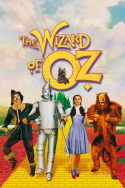
Review of The Wizard of Oz (1939) by Peter Pete P — 06 Oct 2018
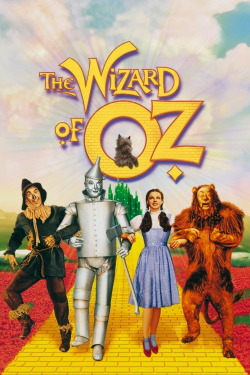
The Wizard of Oz: transcendental systems and how to become great outside of them.
Dorothy is innocence. The great thing about innocence is that it is always being reborn. Innocence is everywhere right now. Being born everyday. The innocence or good heartedness and beauty of the Munchkins who represent a harmonious order.
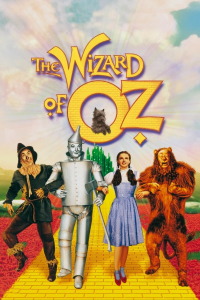
Dorothy and her trio learn by the end of the film that they do not lack anything. That they have everything they need. To become smart everyday (as symbolized by the gift of a diploma). To become human everyday (by the gift of a heart shaped watch). To become brave everyday (by the gift of a medal).
The wicked witch presents a threat to ascending the transcendental order, but she is very much a part of it. There can be no god without a devil. And the Wizard of Oz, a false god but a god at the top of the order nonetheless, sends them right to the wicked witch to fetch her broom (what the Wizard thinks is impossible for the wicked witch will take destroy them). The wicked witch is merely another slave master and so is the wizard once he is revealed. They perform the negative reactionary patterns necessary to keep their transcendental order operating.
Dorothy, Scarecrow, Tin Man, and the Lion progress from scared reactionaries convinced by conditioning in a transcendental order of what they lack. This lack keeps them in service to whoever they think can fulfill them as people. They progress to empowered rhizomatic forces of acceptance and positivity. Grateful to be alive. Alive in the now. Living to explore. To play. To dance and sing. To sing songs of joy rather than of complaint.
The emerald city is an illusion at the other end of the poppy fields. The price of such an order is usually sleep. The thoughtless worker. The zombie.
Glinda the Good Witch is the positive creative force of life. Mother nature and her spirits. She embraces the cosmic unity. She wakes them with snow, nature's element of which they are a part. She wakes them through their connectedness to nature in order to go on and shatter the illusion of the transcendental order that produces as much if not more misery than it solves. The wicked witch is miserable. But so is the Wizard who is supposed to be the godhead. The joy in the emerald city is that of forced labor. The forced laughter one hears at the workplace abounds. This is not Santa's jolly workshop.
"There's no place like home," truly means that one has enough. One does not lack what transcendental systems practiced by others say one lacks. That is how such systems operate. On your feeling of insecurity. Your lack of confidence when not serving its interests.
Dorothy is a doer. She is always becoming while keeping her innocence in tact. .
Transcendental systems operate by sending workers on impossible tasks, if they do not just fit into the scheme and try to rhizome in other directions. All other directions are seen as a waste of effort and time or worse, they are potentially harmful, a threat to the order. Either you are a part of the order or you will be put to sleep in one way or another.
It takes Toto, a dog, to reveal the illusion of the Wizard of Oz because a dog isn't susceptible to the mental tricks that people are with regard to a transcendental system.
The Wicked Witch is also the flipside to the Good Witch. Both being unified as the destructive and creative forces of the cosmic fabric. The Wicked Witch is an interesting character because despite her service to the transcendental scheme (which of course she wants to merely flip so that she is in control which will result in an equally bad outcome, keeping the transcendental system in place like when a benevolent kind is replaced by an evil one, the people still suffer indefinitely for what they are convinced they lack and so they serve in the only way they know how, through sacrifice).
The Wicked Witch is wicked because she too has fallen for the lack. She lacks the slippers. If she ever were to get them, she'd only seek for something else to fill the bottomless pit of transcendentalism. She is wicked only because she is mean in an innocent sense. Out in the open. She wears her costume and rides her broom stick. Showing off like a child. The Wizard of Oz, on the other hand, is most wicked actually. His hiding and deception has made an Emerald City that only appears to shine but is actually dark and empty since it is run by a coward. He sends Dorothy and her trio to their doom. He'd rather they die and with false hope than the Wicked Witch who is screaming that she will kill them directly. They don't know where the real danger lies. The real wickedness. Once revealed, the Wizard of Oz reveals the truth. He knows if he doesn't come clean, this pure force of innocence and positivity will destroy him because they destroyed the Wicked Witch who he relied on for his transcendental order.
The Wizard of Oz reveals that they actually lack nothing. That they are full of potential. That they can become rhizomes or as many things as they like. The Emerald City has lost its shine for them because they shine through activity. They are looking inside to satisfy their desires rather than looking outward for some magic ingredient to solve their problems.
The film says that disaster comes whether you want it to or not and your response is everything. It will come like a tornado threatening your home or a mean old lady who wants to put your dog down. Do not let such defeat convince you of what you lack. Do not blame yourself. Do something about it. Be resourceful. Pull from your inexhaustible supply. Everybody has more power in them than they can imagine. What a positive message of rhizomatic activity! It's far better to be a playful nomad than a slave to a system of empty promise.
This review of The Wizard of Oz (1939) was written by Peter Pete P on 06 Oct 2018.
The Wizard of Oz has generally received very positive reviews.
Was this review helpful?