Review of The Third Man (1949) by Kylie P — 17 Jul 2009
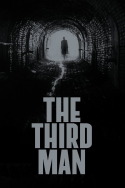
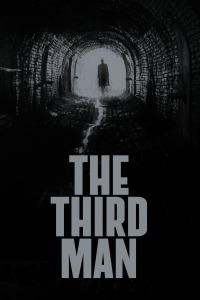
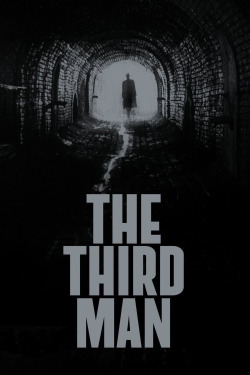
What makes The Third Man unique is that, even as a film noir, this movie is more atmospheric than most. Shot on location in Vienna, the film and its director, Carol Reed, made good use of the old-world European feel of Vienna to give the film an air of mystery, even if there is very little mystery to the story. Coupled with a unique musical score played entirely on a zither that evokes that same old-world charm, The Third Man turns out to be a quirkier entry in the annals of noir film, suppressing its darker undercurrent with a sort of levity in the art direction, scoring, and cinematography. Reed and his cinematographers made good use of light, natural and artificial, to heighten the sense of mystery, however artificial, that permeated the film.
The story was also somewhat interesting and complex. Apparently, the screenwriter, Graham Greene, devised the plotline through the development of a novella that he later converted into a screenplay. The emotions being explored here are quite convoluted, as these characters seem to struggle through an ingrained sense of cynicism and disappointment in the world and in each other while simultaneously deciding what is right (and, in many ways, there is no right answer in any given situation). Does Holly turn in Harry, even though he has done good deeds for people like himself and Anna? Does Anna forego her allegiance to Harry, even though she owes him so much? There is a real sense of internal tug-of-war with all of the characters, with the possible exception of Lime himself, which make this film interesting.
The pacing started off at a fairly good clip and then seemed to slow to a crawl as the film approached its climax, only to pick back up again during the final confrontation in the Vienna sewers. The only truly interesting and engaging moments in the film, however, were when Welles appeared. His presence was electrifying â?? for a mere fifteen minutes of screen time, he managed to convey true madness and villainy. His motivations were clear, and his performance was finely nuanced, walking a delicate tightrope between caring friend and lover to cold-hearted profiteer with seemingly no morality. None of the other characters felt quite as well developed. Hollyâ??s loyalty to Harry was never fully explained; friendship aside, the history of their relationship was given little background, usually through passing comments, so it seemed somewhat unnatural that he should take such an interest in delving into the circumstances of Harryâ??s death with such fervor; then again, his actions could be explained away by grief or surprise at what he learned. As a femme fatale, Anna left something to be desired, but, then again, she was not really designed to be a vixen. Still, she seemed so weak and naïve, even if her final actions could be interpreted as arising from a position of strength.
Ultimately, The Third Man is a good movie, but its greatness is arguable. There is better noir, and better stories told on screen, but this film certainly has a unique charm that seems to give it a timeless quality despite its minor flaws.
This review of The Third Man (1949) was written by Kylie P on 17 Jul 2009.
The Third Man has generally received very positive reviews.
Was this review helpful?