Review of The Sign of the Cross (1932) by Kevin M. W — 11 Oct 2018
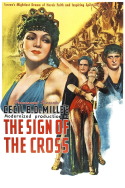
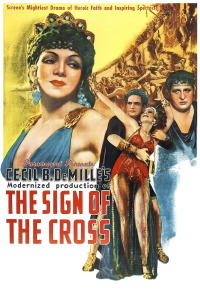
Cecil B. DeMille again, this time in the Rome of Emperor Nero, imagining on film for his breathless fans what it was like for Christians in those days of public executions for entertainment and propaganda sake.
Laughton (with a ridiculous nose piece) is the depraved ("because he's homosexual") Nero, existing only for the next moment's debauchery. Colbert (barely dressed for the length of the film) is his manipulating wife and the real power in town (and herself a slave to her unbridled passions).
And March plays Nero's muscle (loyal to Nero mainly as it allows him his vices). The film exists to make money, and DeMille's plan is simple: bathe the yokels in the sin they're curious about, and then pretend to redeem them with some bargain basement piety (sort of).
It's all a setup for the last portion of the film wherein DeMille unleashes his undeniably interesting spectacle of what a day at the Colosseum might've been like. He might've been a populist, but he knew his audience, as any good carny does.
Not to be missed.
This review of The Sign of the Cross (1932) was written by Kevin M. W on 11 Oct 2018.
The Sign of the Cross has generally received positive reviews.
Was this review helpful?