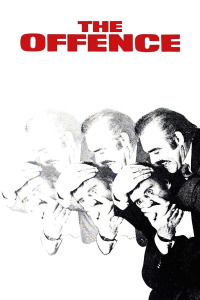
Review of The Offence (1973) by Mereie D — 05 Oct 2010
Lumet has a maternal instinct that comes through in his films that make them awake and moving. When Connery first finds an abducted child in the woods early in the film, the scene isn't punctuated with the search's success. Instead, Lumet stays on Connery calming the girl till she submits to care, and takes his time with it, too. The Offence is definitely one of Lumet's darkest, most broodingly distressing films.
Sean Connery turns in one of the most incredible performances I have ever seen him give, displaying talent I've never known to be within his limitations as an actor as a veteran English police officer, deeply affected by the rapes, murders, kidnappings, and other serious crimes he has investigated. He is very explicable in his sculpting of repression, the animal instincts that all humans, not just criminals, bear somewhere beneath the self-control necessary for living among human society.
John Hopkins's story is so sad because it portrays a slow, steady, intricate outcome, leaking with dead tension splattered beneath the pressure of squelched ferocity, of the diversion of social roles. There are jobs characters like Connery's may be drawn to obsessively but may still be dangerously unfit for them. Characters in this film will be cruel, illicit and wrong, but because of the nature of people that it dismally suggests, one wonders how we can blame them. It's their nature.
Throughout, Lumet remains completely in tune to the claustrophobic yet atmospheric London griminess of the script, capturing the dark colors, concrete, wood and seething old- fashioned ambiance of each setting. The film's score is generally a low-pitch humming of minor notes, the frame at times blinded by light shone into the camera.
This review of The Offence (1973) was written by Mereie D on 05 Oct 2010.
The Offence has generally received positive reviews.
Was this review helpful?