Review of The Missing Picture (2013) by Croce S — 11 Feb 2014
I went into The Missing Picture with a healthy suspicion of the picture. I have an inbuilt aversion to documentary filmmaking in general, which tends towards didacticism and which are often clumsily put together, tendencies which grow in relation to the magnitude of the subject matter. The Missing Picture, which I knew to be about the Khmer Rouge, seemed an ideal candidate.
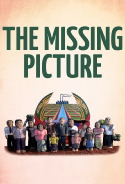
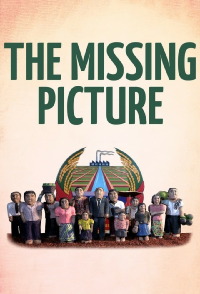
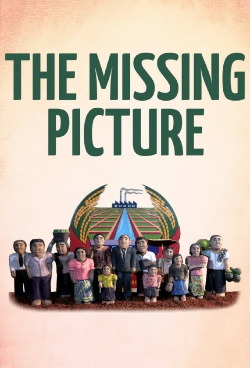
And yet I was (more than) pleasantly surprised to find that the film outlived my meagre expectations and ended up being one of the most powerful cinematic experiences I have so far had. From the outset, Panh makes clear that the film is going to be a personal account of the atrocities endured under the Khmer Rouge. But Panh goes further still in deciding to present his recollections in a self-aware and self-reflexive way; not only is his account personal, but it is also acutely aware of the limitations of its form - a documentary which seeks to fill in gaps precisely where there is no, or little, documentary evidence. In order to recreate precisely these 'missing pictures', Panh recreates some of the most terrifying scenes of the Khmer Rouge's reign - starvation, massacres, and so on - using clay figures. The contrast with the usual manner of presentation in documentary films, which first overwhelm and eventually desensitise us, is stark, and the result is to force the audience to respond dispassionately to the situations portrayed, rather than respond emotionally to the sufferings of a specific individual. The clay figures, handmade by Panh, are physically expressive, both facially (their still expressions lend a rather macabre feel to some of his close-ups) and physically - in particular the grooves which give the impression of emaciation. When he does use actual footage, Panh is similarly restrained, to similarly great effect: notable is when the tortures inflicted are narrated while archival footage shows a long chain, a combination so strong it made me sick to my stomach.
True to its fascination with memory, The Missing Picture does not retell chronologically, and contains not only memories within memories, but also fleshes out the world which existed before the Khmer Rouge's destruction using what remains of this earlier - be it footage of a sumptuous dance in an old Cambodian film or the recurring soundtrack of a Cambodian crooner - and often presenting these as recollections within the context of the remembered narrative. Panh has made a fascinating film which is more memoir than documentary, and all the richer and more rewarding for it.
This review of The Missing Picture (2013) was written by Croce S on 11 Feb 2014.
The Missing Picture has generally received very positive reviews.
Was this review helpful?