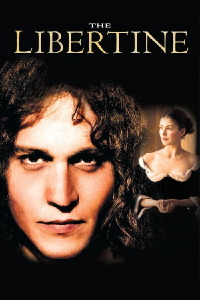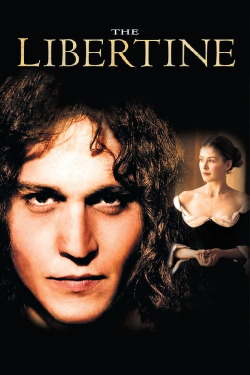
Review of The Libertine (2004) by Gareth J — 04 Jan 2008
"You will not like me." This one phrase begins the dark, debauched tale of The Libertine. As John Wilmott, Earl of Rochester, the incomparable Johnny Depp once again manages to wow audiences in much the same ilk as with Edward Scissorhands for one again managing to achieve something which many thought impossible: being able to play a character with no admirable or sympathetic qualities.
Rochester is an arrogant lecherous figure who gambles away money, abuses friends/family and has his merry way with every fallen woman in the land. Such is the Brechtian way to which director Laurance Dunmore uses his verfremdungseffekt to alienate his audience.
To make them feel at a constant state of unease, even surpassing Kubrick in this respect. Not that the world in which Rochester lived was one of high moral caliber either. Dunmore's picture of Stuart period London may be the most grimly accurate one ever committed to celluloid: women of the streets parade themselves through murky disease ridden alleys and along sullen muddy paths, all of which are enveloped in a constant blanket of smog.
The latter allows Dunmore the obscurity needed to generate the most of eroticly grotesque imagery this side of Salo: 1000 Days of Sodom without worry of being censored. His artistic choices imply that Dunmore has scoped Depp's previous body of work very closely since distinct connections can be drawn between The Libertine and the Hughes brothers similarly grim adaptation of From Hell.
Of course Depp did not achieve this tour-de-force alone and it would be a crime not to credit the other great performances, particularly Samantha Morton's timid actress-come-femme fatale and John Malkovich's excellent turn as the self-righteous King Charles II.
This is particularly the case for the former, since Morton is able extract the same air of fragile deception she would later offer to her take on child killer Myra Hindley in Longford. The biggest criticism of The Libertine however is that Dunmore's detachment of Depp works too well.
Although Kubrick managed to achieve this reaction to his protagonists in both Clockwork Orange and Full Metal Jacket, he was always managed to find a way to illicit sympathy for them as well, which Dunmore makes no attempt to do whatsoever.
This objective approach to focalisation makes the audience nothing more than an onlooker, passively observing the grainy images and events without feeling, even when Rochester is found dying of ciphelis and all of Depp's persona is stripped away so that he is hardly noticable, the audience wonders why on Earth they should care about him after he has abused all who loved him and spurned their kindness.
"Do You love me now?" Comes Rochester's shaky closing statement. The answer: "Sorry sir, can't say we do..." Still, The Libertine more than deserves its acclaim for both showcasing new dramatic lengths for the brilliant Mr.
Depp and documenting the secret life of one of history's most renowned leches.
This review of The Libertine (2004) was written by Gareth J on 04 Jan 2008.
The Libertine has generally received mixed reviews.
Was this review helpful?