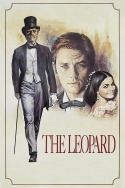
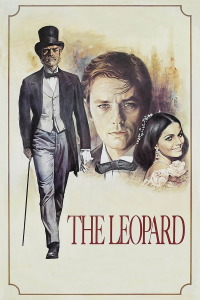
Review of The Leopard (1963) by Rod A — 14 Dec 2008
There are several versions of the film. This is about the 180 min version.
A masterpiece. The film is a beautifully crafted historical, political and love saga that takes place just over a few years in the 1860s during the unification of Italy. Costumes and sets are lavish. Performances, especially Burt Lancaster as Fabrizio, are brilliant.
The rhythm of the film has the same indolence as Sicily, a rhythm that is also reflected in Fabrizio's longing for an eternally still Sicilia. It is also the deep reflection of a man on the ambivalence of life and death in a changing world.
Visconti uses the two main characters, Prince Don Fabrizio of Salina, an aristocrat disillusioned about life, and Tancredi, his young and restless nephew who embraces the republican cause, as symbols of the clash between the old and the new, the crumbling sicilian aristocracy and the impetuous, emerging and wealthy bourgeoisie. Eventually, the two worlds coalesce to salvage a status quo precious for the aristocracy.
As a revolutionary but lucid Tancredi says to his uncle early in the film to justify his engagement for the republican revolution: "If we want everything to stay the same, everything must change". Fabrizio then goes to fund the revolution by giving money to his nephew and also instigates the marriage between Tancredi and Angelica, the daughter of the new elected republican mayor of his town. When the marriage is divulged, a character says looking through the window: "It's turning stormy".
Indeed, the clash of values and manners between the aristocracy and the new bourgeoisie is clear.
The announce of the result of a vote by the mayor of the town is a simulacrum of democracy. It's a hilarious episode that turns to chaos and ridicule and could have been taken straight out of a Jacques Tati film.
But Visconti doesn't spare the other side either. During a bal that celebrates and showcases the grandeur and decadence of the aristocracy. Fabrizio says: "Those weddings amongst cousins don't improve the beauty of the race. Look at them, they look like monkeys ready to climb the chandeliers". This contrasts with the hostess: "so many lovely ladies are here". The bal also the place of a ironic visual comment where, in one of the dance, the dancers find themselves jumping and appear rather stupid.
Most characters have an incredible level of cynicism, except Angelica Sedara, Tancredi's bride, who, for a large part of the film wears a white dress, the only character to wear white, the white of innocence.
A.
The film is a delight of ironic quotes and details that would have made Jules Renard or Oscar Wilde happy. As many Italian directors of his generation, Visconti doesn't spare the clergy that is ridiculed copiously during the film. Fabrizio, jadded about life, doesn't hesitate to tell his priest: "marriage is fire and flames for one year, ashes for thirty". The marriage of Tancredi and Angelica is not purely a of love but of convenience - a financial one. Even in this new society, love cannot erase the old values completely.
The cynicism is illustrated through the music, particularly when Fabrizio refuses to become a senator for the Republic. The tune is played in a minor mode and gives a sense of desperation. A minor mode is also used briefly during the bal.
The bal is suffocating Fabrizio who finds his only solace when Angelica invites him to dance:"I've never had such an attractive proposal. That's why I must refuse. You make me feel young". Tancredi, worried about his uncle asks:"Are you flirting with death?".
Visconti himself was born in a very wealthy aristocratic family and one feels the tremendous love and attention for his subject and how he lived through the next wave of change caused by the war. Visconti became one of the foremost representants of italian neorealism in the first part of his career but then moved more and more towards romanticism. The leopard is a prime example of this shift.
This review of The Leopard (1963) was written by Rod A on 14 Dec 2008.
The Leopard has generally received very positive reviews.
Was this review helpful?