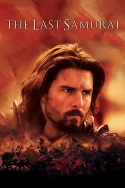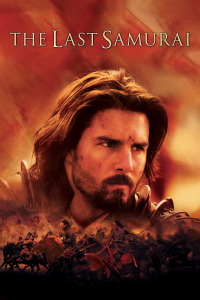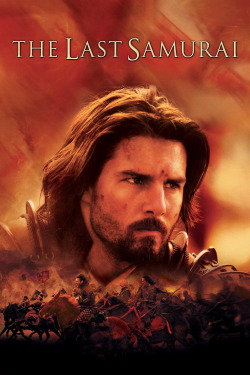
Review of The Last Samurai (2003) by Jeff J — 15 Jun 2015
It is actually surprisingly good, if you can get past the whole "white savior" and "yellow fever" theme. The reason that made it good is the film actually explore the deeper concept of Bushido other than merely slap on the action film cliche "ooooo samurai scary warriors." I'm very surprised it talked about the philosophy behind the sakura blossom and even pointed out samurai means "to serve.".
Likewise I expect the ending to be confusing to Westerners who do not really understand the code of the samurai. It isn't really about "pride" or just manhood and "dying for what you believe" cliche. There's a deeper implication of sacrifice, Katsumoto's end wasn't simply for his own selfish sense of honor, but he knew the sacrifice would send a message to the emperor about what honor is. In sense, his death gave life to the young Meiji and for the first time he acted like an emperor.
Katsumoto accomplished in death what he couldn't teach the Meiji in life. His death was an act of selflessness, that is the code of honor.
(Aside from that, this is really Dances with Wolves in Japan).
This review of The Last Samurai (2003) was written by Jeff J on 15 Jun 2015.
The Last Samurai has generally received positive reviews.
Was this review helpful?