Review of The Last Mile (1932) by Stuart F — 15 Jul 2012
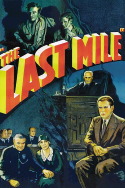
The Last Mile is based on a stage play by John Wexley, and the first half of this cinematic adaptation really shows that. The film is very static, the dialogue preachy and more suited to the theatre than the cinema. But then, in the second half, the film switches gear. It is no longer about the moralities of execution, but about a prison break out. The violence, which has been implied and shown off screen so far, becomes the focus of this film. Questions about who is morally superior become shaded in grey - is the warden just as bad for letting his brother-in-law die? For forcing his men to gun through the walls with a machine gun?
This is the only film directed by Sam Bischoff - and the inexperience behind the camera shows. It is all rather workman-like. I think in the right hands, the second half of this film could have been truly explosive - as it is it is merely entertaining. Though that's not a bad thing.
The lead is Howard Phillips - repeating his stage role - is almost unknown but acquits himself admirably to the role. Preston S. Foster was suitably menacing as Mears. Phillips disappeared from the screen after this and Foster continued to screen act until the mid-60s but in almost nothing of note.
This then, is a minor film from minor talents of the screen. A curio from a different age. But if you're into early Hollywood, and the moment before the Hays-code cut all the sex and violence from cinema, then this is a curio worth seeking out for historic value at least.
This review of The Last Mile (1932) was written by Stuart F on 15 Jul 2012.
The Last Mile has generally received mixed reviews.
Was this review helpful?