Review of The Last Emperor (1987) by Dylan01Pd2021 — 30 May 2016
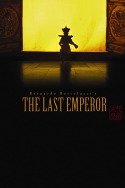
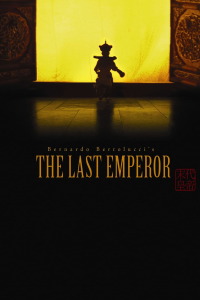
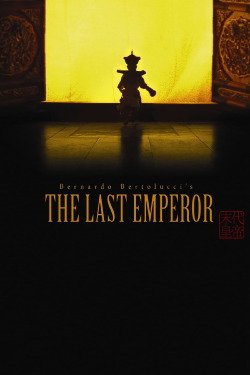
The Last Emperor is based on Aisin Gioro Puyi who was the 12th and final emperor in the Qing Dynasty and imperial China. Through Puyi's autobiography, Bernardo Bertolucci has crafted an incredibly thematic film dealing with both deception, fear, and imminent loneliness that is felt by the child emperor Puyi.
Having been a huge fan of Puyi's autobiography "From Emperor To Citizen," I was unsure how dutifully the movie would play to the incredibly well written book. Rest assured, the movie is brilliant and perfectly pays homage to 末代皇帝 (Henry Puyi) while at the same time captivating the audience with his quite saddening story.
By far, the most exceptional part of this film must be its absolutely stunning soundtrack and orchestral score. It's moody and very much sets the tone and theme of The Last Emperor while utilizing both foreign and traditional Chinese instruments.
It's art direction is also quite impressive giving a nearly perfect representation of Chinese architecture and wall design. Throughout the movie, you can see this through the 双喜 (double happiness) in the beginning and the use of the 大字报 towards the end of the film.
But most importantly, the film delivers with content being a nearly spot on representation of China from start to finish. However, if their is one thing to tweak about this film is the immediate death of empress dowager 慈溪 (Cixi/Tsu Hsi) which diverts from historical knowledge given that 慈禧太后 died after she placed Puyi as emperor in an imperial edict.
Overall, this movie is absolutely fantastic and totally deserves a ten out of ten. With a moving protagonist, great art direction, and music to add on to this already impressive story, it's no wonder why it has won so many academy awards back in 1987.
This review of The Last Emperor (1987) was written by Dylan01Pd2021 on 30 May 2016.
The Last Emperor has generally received very positive reviews.
Was this review helpful?