Review of The Iron Lady (2011) by Spangle — 25 Apr 2017
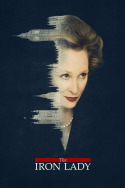
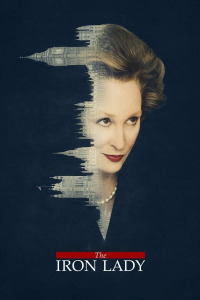
Much like the woman it depicts, The Iron Lady is an incredibly divisive film. Its detractors decry its portrayal of Margaret Thatcher's dementia, the inaccuracies, the clear liberal messaging about women in power, and how it ignores the nitty gritty of her career as Prime Minister in favor of that focus on dementia. Those in favor champion the acting of Meryl Streep, the stirring portrayal of a woman who broke barriers to become the first female Prime Minister, and the film's script that eschews typical genre cliches in favor of an intimate look at the former Prime Minister. By the end of the film, as with her time as Prime Minister, it becomes clear that the truth is somewhat in the middle. The Iron Lady has its missteps. It has its triumphs. Yet, at the end of the day, it paints a clearer picture of the woman behind the actions she took instead of just portraying the actions she took, which is a noble and unusual approach to this type of biopic.
In criticizing The Iron Lady, some critics argued that the film was too down the middle. For such a divisive figure, it never seemed to pick a side. Is she a hero or is she a cruel wench? Depicting both sides in equal measure, this may honestly be the film's greatest accomplishment. In portraying her dementia with great emotional resonance and authentically showing how she copes with the death of husband Denis (Jim Broadbent), The Iron Lady immediately makes Margaret Thatcher (Meryl Streep) a sympathetic figure. Watching her hallucinate that Denis is there before realizing she must give him away and stop living in the past is honestly hard to watch. It rips your heart out and reminds me of my own grandmother and her crippling depression after the death of my grandfather in April 2014. Since his death, she has never been the same and has continued to wither away due to falls and Parkinson's. Margaret Thatcher's struggles to cope with the death of her husband especially hit home for that reason, as well as her struggles with dementia. Though a bit crude in including this in the final picture, it does add a lot of emotional depth to the film and shows a period of time that the public never really got to see.
Yet, while the film shows this sympathy, it simultaneously shows her brutality. Shutting down dissenting opinion, carrying herself with a pompous attitude, and doing nothing for the poor beside telling them to get a job, The Iron Lady does not shy away from showing Thatcher's rough edges. While her unprivileged background and struggle to become the first female Prime Minister against even her own conceptions about the British people, all paint a positive picture. However, her cold and cruel treatment of those around her and how she openly neglects her family in favor of her own ambitions, show that there is not an entirely good person underneath her hard exterior. She is not as innocent as she likes to pretend. Yet, she is not as evil as her detractors like to believe. In essence, she is an average person. There is good and there is bad. It is impossible to make a sweeping decision about her status as good or bad in a film or in life itself if they never commit some horrible atrocity. There is always two sides to the coin and The Iron Lady's smart script finds this balance.
Yet, the storytelling leaves a lot to be desired. Relying upon a good performance from Streep to really carry the film, The Iron Lady falters throughout. Though the portrayal of a dementia-ridden Thatcher is compelling, it never reaches the heights of its depictions of her career. These moments can often thrill and provide great dramatic tension, but arise in odd spots. The scenes are scattered throughout the film and shown as Thatcher remembering something that happened years ago. Shown in chronological order, the scenes either do not flow well with the rest of the picture or simply cut too soon. The worst offender here is when the Grand Hotel is bombed. Showing the bombing and then Margaret and Denis reuniting, we never see her speech to the public, which had been heavily praised by a female helper years later as the source of her feminine strength. Naturally, as everything in the film is balanced out, scenes of the conflict in the Falkland Islands and the decision to fight back is excellent. Showing Thatcher's backbone and strength as a leader to take steps she deems absolutely necessary, The Iron Lady paints a compelling picture of Thatcher as a strong leader. Whether or not one agrees with her politics, it is hard to deny she had great conviction in her decisions and stances.
This review of The Iron Lady (2011) was written by Spangle on 25 Apr 2017.
The Iron Lady has generally received mixed reviews.
Was this review helpful?