Review of The Great Sioux Massacre (1965) by Betty W — 25 Nov 2014
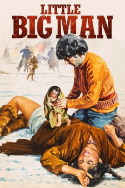
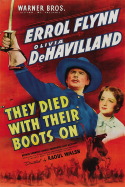
An interesting midpoint in the 1960s between the admiring They Died With Their Boots On of the 1940s and the condemning portrayal of Custer as a nut case in Little Big Man from the 1970s. This film takes a middle course, saying that Custer was originally in the Native American's corner (which was the portrayal in the Errol Flynn epic), but having him then become totally tainted by political aspirations to being a conscienceless reprobate.
People don't usually change quite so dramatically. Custer was probably just as jingoistically pro-white as most of his fellow white men of the time, although his desire to get to the Little Big Horn before the rest of the army so he could hog the glory due to presidential ambitions is true.
My ancestress, Libby Custer, made sure her hubby was seen as a martyr, so he wouldn't be condemned as an ego maniac whose desire for the rewards of personal glory led to the massacre of his men. The contrast between this film and Little Big Man are staggering for a scant decade.
Arthur Penn's highly entertaining pic has a far bigger budget, so they don't have to re-use old footage to save money, or have red hair on the top of her head and a blonde fall down her back the way poor Caroline Reno's character has to in The Great Sioux Massacre.
In the 1960s, the big Native American roles are played by an Australian and an Italian who wanted to be a Native American, but wasn't, whereas, by the 1970s, Arthur Penn hired Chief Dan George to play the main Native American character, even though George was really really from Canada, but at least from native tribes there.
I wanted to see this film, poor as it is, just to see what its take on my notorious ancestor-by-marraige might be, and it truly was a middling version thereof.
This review of The Great Sioux Massacre (1965) was written by Betty W on 25 Nov 2014.
The Great Sioux Massacre has generally received mixed reviews.
Was this review helpful?