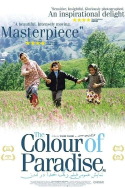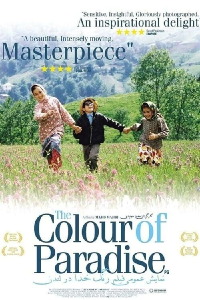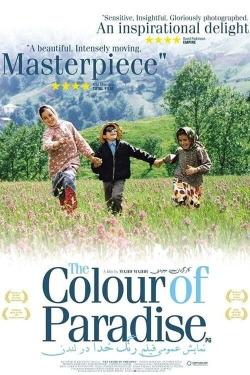
Review of The Color of Paradise (1999) by Sandy T — 30 Aug 2010
A strong, moving tale of beauty and faith. Ramezani (blind in real life) plays a blind boy returning home for the summer from his school for the blind. He is considered a burden by his father, whom pities himself more than his son.
The message of the film is one against self-pity. Mohammad finds beauty everywhere he goes, and it is captured in every frame. Seeing him find a bird fallen from its nest and returning it is a lengthy, simple, but captivating scene.
Once he returns home, Mohammad reunites with his sisters and Grandmother. They all treat Mohammad as an equal, and use his "disability" to experience the world in new ways. It's difficult to capture the struggles of the blind in a visual medium, so looking at the unique feelings is a much more appropriate way of handling the subject.
He amazes a teacher by reading with braille, he focuses on the sounds of birds, and he holds his breath as he hears the waves about to crash over his feet. Mahjoob plays the father well, but his self-pity becomes a chore for the viewer.
He isn't cruel in an evil sense, just too whiny to really connect with. The sound department do a great job at singling out specific sounds as Mohammad analyses the world around him. Simple and powerful, The Color of Paradise shows true emotion through its unrivaled photography of the Iranian countryside.
This review of The Color of Paradise (1999) was written by Sandy T on 30 Aug 2010.
The Color of Paradise has generally received very positive reviews.
Was this review helpful?