Review of The Cell (2000) by J T — 17 Aug 2010
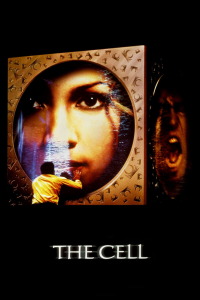
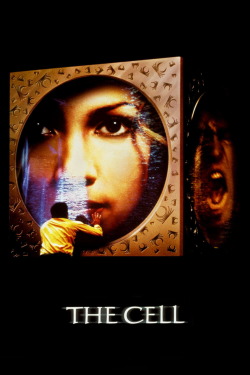
The director's talent succeeds by creating images of the horror of the killer's mind through great artistic visuals, but mostly by a strong symbolic dimension : In a key scene, Lopez makes contact with the young Stargher who has hidden behind a horse protecting him. This horse, a symbol of freedom and sexuality not only for the surrealists but also throughout human history, is suddenly sliced into still pulsating pieces by panes of glass. More than a vulgar display of butchery, this quartered horse reflects the bursting of symbols it represents in Stargher's head. Freedom is out of the question for the boy, while in the autistic child's case, the horse, like the boat, lets in a glimpse of hope of a way out. In Stargher's world, the horse is cut into pieces and the women he kills resemble automatons he can control. Neither the horse nor the women have the possibility to exist in their true free nature in his mind.
Stunning and great aestheticism, in beauty as well as in horror.
This surrealism in this movie reminded me of Salvador Dali's paintings, clever and very artistic.
In this movie let's just say I'm interested more in the movie itself and artistic side of it.
I'm an artist myself so I highly appreciate this kind of artistic approach.
This review of The Cell (2000) was written by J T on 17 Aug 2010.
The Cell has generally received positive reviews.
Was this review helpful?