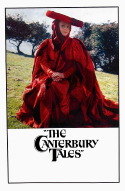
Review of The Canterbury Tales (1972) by Huw G — 19 Jul 2014
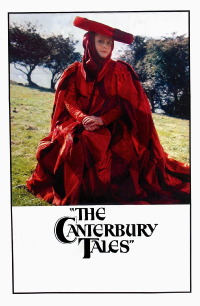
"Ah, but between a jest and a joke, many a truth can be told". These are the words spoken by a man who butts heads, literally, with storied author G. Chaucer (played by Pasolini himself) in the opening scene of this raunchy but boldly observant middle piece to the director's so-called "Trilogy of Life".
The words speak loudly for the vignettes that follow, all of which are a little less funny than those found in the preceding film, THE DECAMERON, but a little more telling. Like THE DECAMERON, this film's stories are linked both by strands of animalistic sex and humiliation, themes Pasolini would explore more seriously and to a more depraved extent in his final film, the infamous SALO.
But here they work nearly as effectively, if more delicately. Chaucer's tales flow together with themes of trickery, unfaithfulness and violence, and while Pasolini keeps the time and setting the same in his film, he brings a relevance to his view of the way sexuality drives impulse.
The segments vary in both humor and strength; one vignette serves as an almost throwaway homage to Chaplin's Tramp and his misadventures, referencing and even stealing directly from his various early works, while the film's last tale is a shocking portrait of Hell, where Pasolini stages his most obscene rendering of debauchery in his career thus far.
These wild shifts in tone make this a choppier experience than THE DECAMERON, which is a perverted masterpiece, but THE CANTERBURY TALES has enough brazen audacity and freewheeling human satire to place it among Pasolini's most interesting works.
This review of The Canterbury Tales (1972) was written by Huw G on 19 Jul 2014.
The Canterbury Tales has generally received positive reviews.
Was this review helpful?