Review of The Body Snatcher (1945) by R.c. K — 18 Mar 2008
[font=Arial]Modern horror had gotten indulgent somewhere between the time of George R. Romero?s Night of the Living Dead and Tobe Hooper?s The Texas Chainsaw Massacre. It finally found it?s end by the time that Wes Craven and John Carpenter?s famous killers became fodder for by-the-number sequels that plagued the 80?s. The state of horror since then has been dismal with teen-bop slashers like Scream and the torture porn age brought in by Saw and it?s spawn.
It was only in 2007 did it start to turn back around. Horror films started getting scary again from strange origins like Korea (The Host), sequels from earlier films (28 Weeks Later) and even musicals (Sweeney Todd). We began to see the end of a downward trend almost 30 years in the making.
Earlier, I had been introduced to the works of the great horror producer Val Lewton, whose works in the 30s and 40s were competing with Universal?s monster movies, which were showing signs of franchise fatigue. His films were shot on low budgets and sometimes on less-than-satisfactory conditions. But they held some of the most amazing works I have ever seen. These were films that had something that until recently was lost in the genre: conscience.
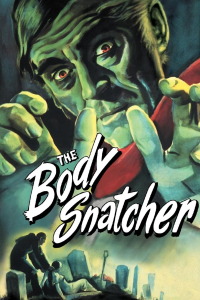
The best of Lewton?s lot has to be The Body Snatcher, which was one of the latter films made. Based on a story by Robert Lewis Stevenson, it balances the macabre with dignity; refusing to let up on it?s characters but making sure that the end result is more scary than bloody. The story revolves around a young medical student in turn-of-the-20th-Century London. He?s the most promising of his class and the apple of his professor?s eye. But with his school financing falling out from under him, he is given the opportunity to stay if he becomes his professor?s assistant. His primary duty is to help with priming the bodies used for studying when they come by in the dead of night. The man who delivers them is a shady though friendly character by the name of Mr. Grey (played by the immortal Boris Karloff).
Very quickly, the assistant finds out that knowing parties aren?t exactly donating the bodies being used. And when the professor takes on a tricky operation to save the life of a little girl, Mr. Grey kills a local street urchin. This murder is performed off-screen and is more devastating than anything in Hostel. When the professor finds out the lengths that Mr. Grey is willing to go meet the quota, he realizes too late the devil he made a deal with. He tries to disassociate himself with Grey, but Grey isn?t going anywhere. When he sends his lackey (the legendary Bella Lugosi) to kill Grey, real tension is built to it?s apex, leaving black comedy in it?s wake.
Another thing that makes this film superior to most in the genre is the care it has with it?s characters. While we do have morally flexible characters, we still understand their motives. If the school doesn?t have bodies to train with (and the story goes into detail the lack of bodies that are being donated), how will these new doctors learn? The only human contact that Mr. Grey has is his ?friendship? with the professor. He only has his cat to whom he takes great affection. We know that eventually murder will be an option, and that this will come to no good at the end, but that?s the tragedy in this horror.
The film dives into these dark areas of questionable motives, and yet keeps a sense of right and wrong. Without a moral compass, the ambiguity is no longer horrific and the film gets lost in the dark. It doesn?t excuse evil, only sees the rationality of such acts. What makes this film even scarier is seeing just how one act or acceptance of such evil can quickly make anybody a monster.
Director Robert Wise (who would go on to direct The Haunting and West Side Story) also learned from Lewton the ability to scare though atmosphere. Harsh lighting around a sea of black, the use of silence to create tension, and the use of scale to bend characters into scenes that dominate them. These are tricks that do not require violence or cheap thrills. They put you on the edge of your spine and let you simmer in your own fascination.
But to talk about some of Lewton?s greatest work, the greatest being this picture is to talk about Boris Karloff. Tired of being known as The Monster, he came of Lewton?s services in order to be taken seriously. Lewton never put him under prosthetics; instead he used Karloff?s size and intensity to create characters that were dangerous yet rational. His Mr. Grey is the perfect example of what Lewton saw in his star. Karloff plays the character as a guy who sees himself as not being a bad guy. He just gets results when asked of it. True, his moral ambiguity might leave some people dead, but he?s trying to help his friend. Yes, he?s a monster, but he isn?t a demon.
I guess that horror-meisters of the Fangoria type feel that violent death under cruel conditions (all of which is in plain sight of the audience) makes for better scares. I disagree completely. Death isn?t scary in itself: It?s a release. True horror doesn?t come with the dying, but the ones who realized that they?ve become the thing that no one ever really wants to be, the monster.[/font].
This review of The Body Snatcher (1945) was written by R.c. K on 18 Mar 2008.
The Body Snatcher has generally received positive reviews.
Was this review helpful?