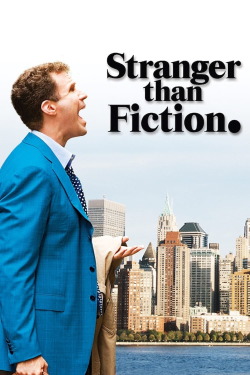
Review of Stranger Than Fiction (2006) by Chads. — 27 Nov 2006
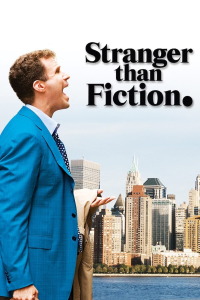
"Stranger than Fiction" is a movie that should be seen twice. When I watch it again, I'm going to pay very close attention to what happens after that metal ball crashes through Harold Click's apartment.
This seemingly cinematic non-sequitir acts as a metaphor for deconstruction (in literary theory, this is a post-structuralist term), which signifies to me, that the film might be harboring a secret war between the structuralists (binary oppositions is one of their modes of inquiry; in the film, it's represented by comedy/tragedy) and Roland Barthes (a post-structuralist) fans (I think he once proclaimed that there is no author).
On a second viewing, I hope that the film undergoes a transformation from a structuralist to a post-structuralist school of thought after that demolition scene. If this film was written by Charlie Kaufman, it would.
The metafiction in "Stranger than Fiction" might not be as clever as "Adaptation"(or even Neil LaBute's underappreciated "Nurse Betty"), but this imitative screenplay of a superior film is better than, say, "EdTV", which was a byproduct of "The Truman Show".
For all the literary pyrotechnics (some are airborne, some are duds) that "Stranger than Fiction" attempts, it's the performances by Will Ferrell and Maggie Gyllenhaal that carries the film.
Their romantic chemistry is so strong, "Stranger than Fiction", arguably, doesn't really need all that extraneous allusions to comparative literature. This is Will Ferrell's "Punchdrunk Love".
He is a credible male dramatic lead. Gyllenhaal, on the other hand, finds a new way to be Meg Ryan, which is to say, she's a sweetheart without having to sacrifice her innate intelligence and toughness to be lovable.
This review of Stranger Than Fiction (2006) was written by Chads. on 27 Nov 2006.
Stranger Than Fiction has generally received very positive reviews.
Was this review helpful?