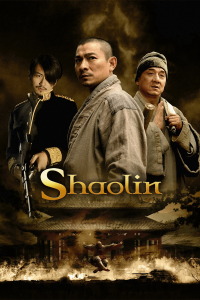
Review of Shaolin (2011) by Deb S — 21 Jan 2011
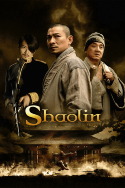
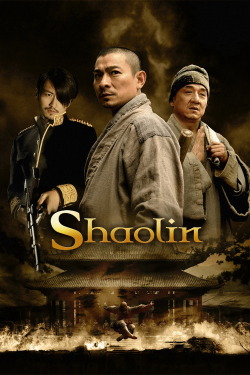
This first feature film officially sanctioned by Abbot Shi Yongxin since Jet Li's "The Shaolin Temple" in 1982 rises beyond the status of mere blockbuster entertainment; it is an immensely grand and epic tale of repentance, redemption and salvation.
The flawed hero at the heart of the plot is the merciless warlord Hou Jie in the 1920s Republic China. Played with depth and impassioned emotions by a stupendous Andy Lau, General Hou Jie starts off initially as a ruthless and machiavellian figure who believes strongly in violence and craves for no less than the executions of his oppositions. In a belated epiphany of his misdeeds after the traumatic demise of his young daughter at the hands of his nefarious sworn brother Cao Man (Nicolas Tse) in a treacherous betrayal, Hou Jie embraces goodwill, humanity and benevolence during his stay at the Shaolin temple and finally reaches out spiritually to Shaolin's teachings and liberates himself from the secular trappings of power, hate and vengeance.
This tale is splendidly rendered with an emotionally invested storyline, layered characterization and the picturesque tranquility of the nature that surrounds Shaolin temple. The entire cast, apart from Nicolas Tse's unconvincing turn and overacting in the role of the villain Cao Man, is impeccable. Even Fan Bing Bing's part of a distraught wife, in a heart-wrenching scene when she rages against her husband on his sins and retributions, is feelingly portrayed. Wu Jing deserves a credit mention for his performance as the stoic and fearless senior of the brotherhood in Shaolin Temple who leads his band of disciples to infiltrate the refugee camp on a rescue mission to prevent a holocaust.
Positioning itself as a martial arts blockbuster, this movie also succeeds in delivering fluid and intense combat sequences, courtesy of the superb action choreographer Cory Yuen.
When reckless hate and brutality storms to the doorstep of Shaolin Temple in the form of Cao Man's trigger-happy army in the final reel, the peace-loving monks are compelled to take up arms in an insurgence to defend their serene sanctuary; this retaliation very much a moral conundrum to the equanimous monks. The denouement is hauntingly sad and beautiful, akin to a canvas painted with heroic sacrifices, sagely aphorisms on the trials and tribulations of life, as well as the realization that the true spirit of Shaolin lies not in the temple, but is of the heart and the mind.
This review of Shaolin (2011) was written by Deb S on 21 Jan 2011.
Shaolin has generally received positive reviews.
Was this review helpful?