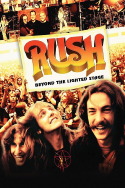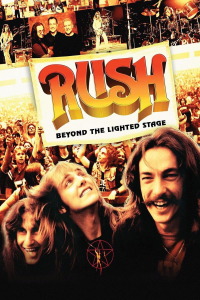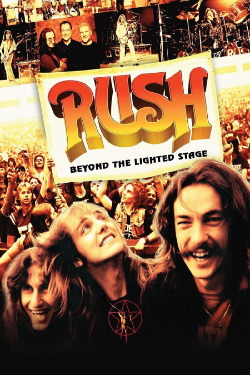
Review of Rush: Beyond the Lighted Stage (2010) by Max M — 13 Jun 2010
The last few years have been very good for the rock documentary, such as last year's terrific Anvil: The Story of Anvil, and this year with Tom DiCillo's fantastic documentary about The Doors, When You're Strange, as well as this fascinating and thoroughly entertaining look at the Canadian Power-Trio known as Rush.
Rush is one of those rare bands that have been going strong for nearly forty years, have never played by anyone's rules other than their own (and even then, the band will often ignore those as well), and developed a mammoth and loyal fan-base that continues to grow as younger generations discover their music. I have been a huge fan of the band - unapologetically I might add seeing as how there is a line drawn in the sand between those who think the band exceptionally brilliant and those who view them as ridiculous, bloated and annoying - a theme that is often referred back to by the band and those interviewed, such as Jack Black, Les Claypool, Trent Reznor, Gene Simmons, Kirk Hammet, Billy Corgan, Benjamin Gibbard, etc.
Directors Sam Dunn and Scot McFadyen, who previously helmed the terrific documentary about the great British heavy metal band, Iron Maiden: Flight 666, were given incredible access to the band's archival material - some of which has not been screened publicly before, courtesy of bassist and vocalist Geddy Lee (one bit of footage that astounded me was some old 16mm footage with sound - shot by a pair filmmakers who were making a film about Canadian youth - of a young Alex Lifeson [soon to be the band's guitarist] telling his Serbian-Immigrant parents that he is going to quit school to play in his band full-time).
But what to do with this footage once it has been cleaned up? Rush isn't the typical rock n roll band. There are no sordid tales of drugs and alcohol leading to extraordinary break-ups. There are no wild stories of hotel trashings and depraved sexual orgies. There are no spectacular, Troggs-style knock-down, drag-out studio arguments. These are simply three modest guys, with stable family lives and who have known and respected each other for a good portion of each others lives (Lee and Lifeson were childhood buddies and drummer Neil Peart, who replaced original drummer, the late John Rutsey, joined the band after the release of their first album in 1974).
Fortunately, the two filmmakers decided to touch upon that very theme of friendship, musicianship and a shared love of music, and thus crafted a fantastic and rocking portrait of one of the great bands of modern music.
And to those who still detest Rush, Matt Stone, co-creator of South Park, said it best when extolling the virtues of a band that has been around as long as they have, gained a huge following and done it all on their own terms; "You have to give 'em props for that. And if you don't, then you're just and old Dickhead!".
This review of Rush: Beyond the Lighted Stage (2010) was written by Max M on 13 Jun 2010.
Rush: Beyond the Lighted Stage has generally received very positive reviews.
Was this review helpful?