Review of Romeo and Juliet (1968) by Ben F — 04 Aug 2012
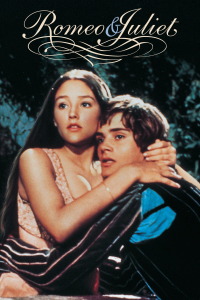
Several years ago when I was a student mentor in a freshmen English class, I had a chance to watch students viewing two adaptations of "Romeo and Juliet": the 1996 Baz Luhrman version (a gaudy costume drama starring Leonardo DiCaprio) and the 1968 rendition (a more traditional approach), directed by Franco Zeffirelli. Afterwards, the teacher asked which version they preferred and unsurprisingly, the Luhrman movie won out.
And yet, there were just a few people who preferred the older version and I stand with them. Mr. Luhrman's glitzy, music-video styling of Shakespeare's tale of doomed lovers may win points for its mindless audacity, but Mr. Zefferilli's picture is a movie made for anyone who cares about the original story and is ready to cry afresh.
I starts out simply: a narrator recites Shakespeare's prologue ("Two houses, both alike in dignity....), before throwing us to a pitched and surprisingly bloody battle between the allies of Verona's Montague and Capulet families. From there, Mr. Zefferilli (working with co-writer Franco Brusati and editor Reginal Mills) begins planting the seeds for a romance between Romeo of Montague and Juliet of Capulet, but he doesn't rush the lovers together--he takes time to set the mood, which is one of madcap excitement and fearfulness. We feel both during the Queen Mab speech (by Romeo's friend Mercutio), which starts out as a giddy, comic rant, before descending into (not quite) senseless angriness.
In other words, the scene becomes tinted with menace, even when Romeo and Juliet first meet. Played by the fatally sincere Leonard Whiting, Romeo is a kindhearted yet dangerously intinctual character--Mr. Whiting approaches Juliet (Olivia Hussey) like a tiger stalking his prey.
And yet, it is not long before you find yourself caring deeply about both of them. Critics of the story often say that they don't like the play because Romeo and Juliet are irrational and "too young to be in love," but Mr. Zefferilli and his actors emphasize on film what is so clearly expressed in the play: even if Romeo and Juliet's feelings were to change tomorrow, they believe in them fully in this moment. The shattering of that moment is what makes the story so unbearably sad.
Had Mr. Zefferilli wanted, he could have ended the play on a hopeful note. Yet he chooses to let it end in a grimly angry and regretful fashion, as the prince of Verona roars to a crowd of mourners, "All are punished!" Whenever I watch the movie, I always feel satisfied by its artistry, yet I still wind up wishing for the impossible: that there could be some way to right all the wrongs that befall its characters.
****:).
This review of Romeo and Juliet (1968) was written by Ben F on 04 Aug 2012.
Romeo and Juliet has generally received positive reviews.
Was this review helpful?