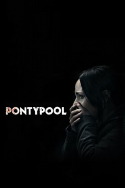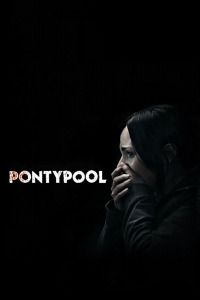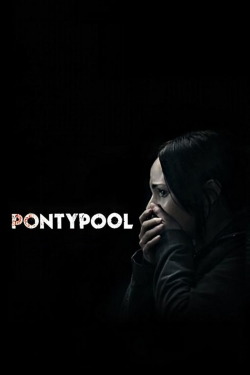
Review of Pontypool (2009) by Mike M — 17 Oct 2009
It's a rare genre film that manages to organically refer to both Barthes and Mailer in the first five minutes. First conceived as a radio play, this movie makes excellent use of potential budget limitations instead as strengths. Just as some of the best contemporary films work equally well as Silents, this semiotic thriller effectively walks the line between comedy and horror, concept and literary conceit.
Language as virus is a jump-off, as the author here was just coming off a degree in semiotics and worked closely with the director - who himself is far from a genre hack. So, the zombie outbreak as metaphor is subsumed by the idea of metaphors themselves that, "become predatory... long after their meaning as figures of speech has left the stage.".
Apparently, Burgess was largely influenced by Bulgarian-French Feminist semiotician Julia Kriseva and her work on depression and melancholia. Which is appropriate, as McHattie soon makes hilarious reference to the S.A.D. producing, sunless and frigid location of Pontypool.
The plot concerns the "effects of an absolute misreading or rogue signifier". The sort of grand-standing, neo-Platonic ambition that pre-dated the Structuralists who Burgess seems largely critical of. But this is not a boring, deconstructionist tract. Instead, the filmmakers are using these overambitious theorists as a device to convey a Lovecraftian dread of the unknowable.
Shot entirely using the new Red One 4k HD Camera, it looks great, and manages to get a lot of movement within a very limited set. Stephen McHattie's chemistry with Houle is immediately evident and key, as is the effective use of sound to convey the uncertainty in their voices.
This review of Pontypool (2009) was written by Mike M on 17 Oct 2009.
Pontypool has generally received positive reviews.
Was this review helpful?