Review of Nosferatu (1922) by Quentin T — 05 Dec 2009
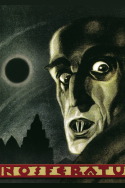
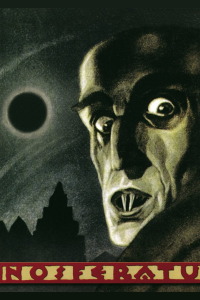
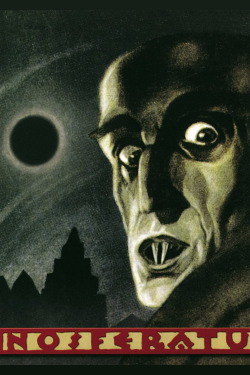
This may be the most famous vampire film ever, if not, that could be the 1931 version of "Dracula" starring Bela Lugosi, am I right or am I right? Nosferatu: eine Symphonie des Grauens (Nosferatu a Symphony of Horror) is a German horror film directed by one of the most influential expressionist directors in silent era, F. W. Murnau in 1922. It stars German artist Max Schreck as Count Orlok (Dracula).
"Nosferatu" is basically a vampire film based on a novel by Bram Stoker called "Dracula". It was released almost a decade before the film "Dracula" went out of the market.
Certain differences in the film's characters and events were done because consequently, the production staff failed in having Bram Stoker's consent for his story to be put on film.
Rumors have it that "Nosferatu" production company was sued by the Stoker estate, acting for his widow, Florence Stoker copyright infringement and won. Because of this, copies of the film were requested to be destroyed. But, unfortunately (or should I say LUCKILY?), copies were already sold around the world before the request was released.
A good art will never die forgotten.
As an audience, I must say that this horror film really did, at some point frighten me. It's that classic taste of darkness for the people of that era. Suppose you're a 1922 audience. Disregarding the modern perception of many about horror, you will find the film so creepy. This may be one of those films that gave them chills and numerous accounts of nightmares.
The Darkness.
Dark music, dark cinematography, dark characters, psychology, everything about this film is dark. One vital element good of a silent film is its musical score. This film has a very effective musical composition adding suspense to the movie entirely. At the start of the film, music plays with much horror and intense enigma. Then characters are introduced. Music heightens as the storyline progresses. Then there comes that emotional piece of music when Count Orlok has killed too many a people. Townsmen are in a great remorse and wish to kill the Nosferatu (vampire). At the end of the scene, there exhibited is the famous 'shadow on the wall' where the Nosferatu's shadow seems to have a life and does the killing. Very classic, isn't it? The cinematography is set to low lighting and too many dark areas of the screen are exposed to express that feeling of emotion, desire, or despair. The way the Count Orlok looks is pretty horrifying. Just a look at him gives you one complete classic horror experience. Conspicuously, extremely low viewpoint camera angles were used to shoot Count Orlok, especially the scene at the boat which gave that feeling of great power and superiority.
Nosferatu is one classic vampire film that opened the eyes of society about this legendary creature. Bram Stoker in the same way should also be acknowledged for this great achievement. Many of today's vampire films are somewhat "overrated".
This review of Nosferatu (1922) was written by Quentin T on 05 Dec 2009.
Nosferatu has generally received very positive reviews.
Was this review helpful?