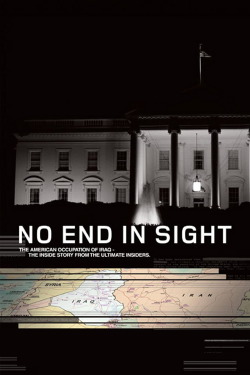
Review of No End in Sight (2007) by Eric O — 03 Feb 2008
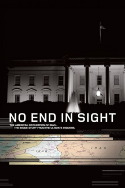
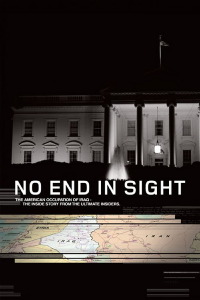
[font=Arial]Maybe the appeals of Michael Moore?s tactics are just wearing a little thin on me. I still consider him to be an influential filmmaker (and his Bowling for Columbine to be one of the best documentaries ever made), but there?s something very self-promoting about his technique. That?s probably why the likes of Charles Ferguson is starting to quench the thirst for thoughtful political documentaries that are not intended to scathe, but to reflect. In doing just that, his first film No End in Sight is one of the best-planned, best executed documentary I have ever seen.
In the course of 108 devastating minutes, Ferguson lines out the big and small events that lead America to a quagmire in Iraq, one that has very little hope of ever getting better. Unlike the feel-good documentaries that loves to kick an already lame president, No End in Sight is more interested in fact over opinion and gets it?s facts from the people that made the decisions and that were there (and a few that were supposed to be but weren?t). We?re hearing from the horse?s mouth how very little planning was allowed before the initial invasion. We meet with lower-level White House insiders (as though Rice, Rumsfeld, Rove and Cheney would allow themselves to be interviewed) who give their own testimonials. And then there are the Iraqis and foreign journalists who have been marginalized along with the rest by trying to be heard.
This documentary is surgical in it?s approach, dissecting each point with the thoroughness of a CIA briefing that this film shows our president ignores on a constant basis. And Ferguson shows no political leaning, scouring both sides with contempt as they either instigate or play accessory to one of America?s greatest tragedies. It sees the problem?s roots all the way back to the 80s and systematically show how each President made the matter worse until 9/11 kicked the ball into play. The documentary doesn?t get bogged down into semantics. Instead, it treats its audience as though they are capable of making intelligent conclusions. Not since Enron: The Smartest Guys In The Room has a documentary had this much faith in its audience.
I will go on record to say that if President Bush, Vice President Cheney, Donald Rumsfeld, Paul Wolfowitz or Condoleeza Rice ever find themselves on trial for their part in the misdirection of the people, mismanagement of the war, or the misplacement of funds by putting known corruptors in places of power, this would be the definitive indictment against them. But it?s more than that, much more. It shows how small miscommunications added to the blunders made on Capitol Hill. There?s a powerful scene where Walter Slocombe, a White House insider, realized that one small mistake made by him out of laziness could be linked to the creation of the insurgency. The realization left me sympathetic to him because we all know how one mistake, in the right circumstances, can start Armageddon.
And yet the film is brave enough to stay neutral concerning politics. It wisely stays away from making a case to leave Iraq, but shows just how next-to-impossible such an act may be. Ferguson is too smart to beg us to do anything, which would come off trite, but seems to hope it will lead by example, to better inform to audience and allow them to make up their own minds.
This is my favorite documentary this year and one of the year?s best films. There is a hidden power in this film that comes from its structure and discipline. Charles Ferguson, like his mentor Alex Gibney aims to overwhelm not by dramatizing the truth, but by peeling away the unnecessary. In taking away the rhetoric and by giving a clear timeline, we can see the events taking place in a historical aspect (something that Ferguson took away from being a Brookings fellow).
All in all, this year has been amazing in non-fiction work on film. In fact, many of the documentaries this year have pushed the limit in how documentaries are filmed and seen. My Kid Could Paint That opened a new discussion on how art is perceived and how fame is fickle. The King Of Kong showed us how men can succumb to new lows when dealing in child?s play. Even Moore?s Sicko was able to put the human face on inhuman suffering created by a bottom line. But above them all is this amazing film that will have you up all night afterwards, numb by the knowledge you hold and the sick feeling that things will get worse before they get better. And what makes this interesting is that the filmmaker is banking that the truth will set you free, and he?s just handed you the lock pick.[/font].
This review of No End in Sight (2007) was written by Eric O on 03 Feb 2008.
No End in Sight has generally received very positive reviews.
Was this review helpful?