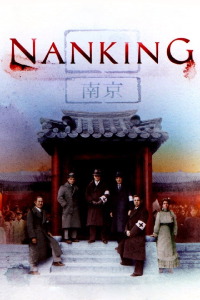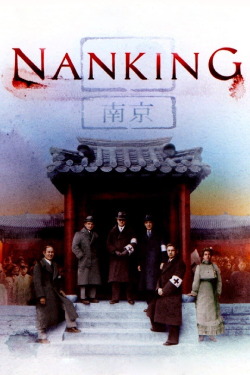
Review of Nanking (2007) by Paul Z — 02 Feb 2009
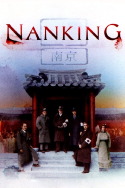
How does one visualize the diaries of unfilmed people who are no longer living? Bill Guttentag and Dan Sturman employ actors to read, as if in a playwrights' initiative, the records of the tortured souls buried by time and the formal writings of human history. At first, I thought the story was somehow cheapened by this technique, but upon reflection, I see the power of its subjectivity. As a freshman in high school, I saw a documentary in a history class about "The Rape of Nanking" in 1937, which truly stunned me with its depictions of the utmost brutality and heartless destruction that went on when the Japanese invaded. That was one thing. Another was seeing this film, which not only interweaves stock footage and photographs on par with those of the Holocaust, but features Chinese survivors who tell their stories, their overwhelmingly horrific stories. And as for the survivors who can't speak for themselves, actors speak their very words for them. In a sense, that is one of the more essential aspects of what actors do: Identify.
It's not often that I connect on a personal level with historical accounts of atrocity. I hear of Jews, gays and gypsies being cooked alive, gassed, starved and other such things and I can only recognize the horror and be disturbed by indefensible fright and indescribable shock that I see in a victim's eyes, for instance. The story of Nanking from the mouths of these people seems to me like a whole new world of terror. It is thus evidenced that human beings are capable of the most unspeakable cruelty and insurmountable venom. Perhaps it's that German and Japanese culture have a history of thinking very uniformly, whereas Americans, in spite of how cruel and despicable we've been throughout our history, have a record of being torn by internal struggles. This documentary glimpses the other side of the coin: Are human beings capable of surviving their experience with the same unspeakable cruelty and insurmountable venom?
Maybe the reason I felt at first as if the film was deterred by the artifice of actors could be because the most riveting moments are all interviews with real Chinese survivors. The most arresting moments by far are the unexpected interviews with Japanese who were in the army during the Sino Japanese War committing the atrocities. At least one of them chuckles at a recollection.
This review of Nanking (2007) was written by Paul Z on 02 Feb 2009.
Nanking has generally received very positive reviews.
Was this review helpful?