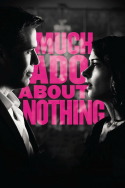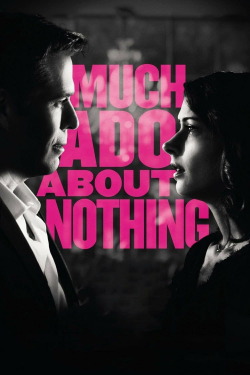
Review of Much Ado About Nothing (2013) by Joel W — 13 Sep 2012
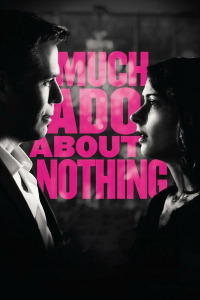
2012 has been a great year for Mr. Joss Whedon. Releasing three great films consecutively is tough enough on it's own, but all within the same year is absolutely unheard of. Not only that, but each of these films covered drastically different subject matter. In April we got The Cabin in the Woods, Whedon's mind bending horror opus (as the writer/producer at least). In May we witnessed The Avengers, his record breaking superhero epic. And now we have Much Ado About Nothing, Whedon's modern day take on the famous Shakespeare play. After seeing all three of these films, it's safe to say that Whedon has achieved one hell of a hat trick.
There isn't really a lot to say about Much Ado. It simply takes all of the original dialogue from the play, and puts it within a modern environment (Whedon's glamorous home). However, this isn't just a bland retelling of the famous play. Whedon has his infamous wit and charm cleverly sprinkled throughout the story. As usual, he ends up being the true star of the picture.
Much Ado About Nothing is a risky experiment gone completely right. Even with the old Shakespeare dialogue unchanged, the film remains accessible and absolutely hysterical. For one that was shot within twelve days, the visual interpretation of the source material and comedic timing is almost masterful (even put up against most feature length comedies).
Whedon brings in many of his past renowned actors to fill the roles of Shakespeare's characters. As we all know, Whedon knows his casting, and the ensemble rarely falters. They effortlessly deliver the complex lines from the source material, and encompass their character traits with thorough understanding. Some of the highlights include Alexis Denisof as Benedick, Fran Kranz as Claudio and especially Nathan Fillion as the scene stealing Dogberry.
My only glaring quarrel with Much Ado would be within its language. I commend Whedon's choice to utilize only Shakespeare's original dialogue, but it took a while for me to get used to. This is moreso an issue with Joss' quick pace added to the equation. He isn't really at fault considering that Shakespeare's writing in this particular play has more of a "telling rather than showing" sense to it. Keep in mind that this writing style wasn't intended for the art of film (since it was nonexistent at the time). Because of this, missing out on essential exposition can be possible. I'm making this sound like more of a problem than it really is, but I'm sure it will cause some kind of issue for general audiences. Want to avoid this? JUST LISTEN CLOSELY!
I don't need to go on about Joss Whedon's Much Ado About Nothing, it's a splendidly creative rendition of the famous play that's well worth revisiting.
This review of Much Ado About Nothing (2013) was written by Joel W on 13 Sep 2012.
Much Ado About Nothing has generally received positive reviews.
Was this review helpful?