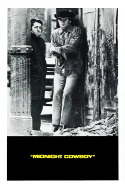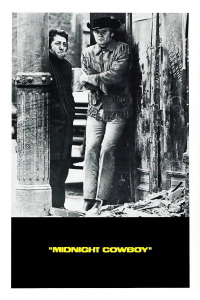
Review of Midnight Cowboy (1969) by Kylie P — 28 Feb 2010
From November 23, 2008:
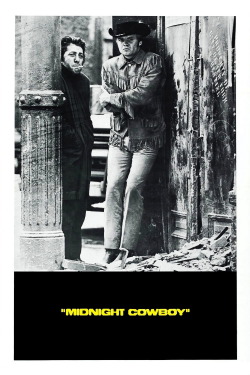
Part of Midnight Cowboy's luster comes from the groundbreaking mainstreaming of some subjects that earned its X-rating, though, let's face it, the movie would be an R by today's standards. There's the implication of homosexual gratification when Joe agrees to a male trick (played by a young Bob Balaban). There's also some much more explicit heterosexual sex going on, not to mention overt drug use. It's all kind of timely given the year of release,1969, which was also the year of Woodstock and the height of sexual revolution and anti-war sentiment in the country. These elements, so obviously depicted the way that they were, may have elevated this film to a cultural height and sense of legend that, perhaps, outshines and overshadows how good or great the film really is.
Perhaps that's oversimplifying it a bit, though, even selling the film short, because Joe and Ratso find each other when they are otherwise alone, when the morning after settles into hard reality or when the haze of the high fades. It seems to be the generational response to the times as the swinging 60s began their transition to the stagnant 70s. It's a cynical take on things, even if there is more than a grain of truism to it, though the film offers that glimmer of hope, that sense that even the loneliest, lost soul can find belonging and connection, even if fleeting.
The film is a testament to times and feelings and places, and it has a timeless quality, but it's a time capsule that either holds relevance for the viewer, or it doesn't. Voight and Hoffman give very good performances, but their characters feel like caricatures, undermining the gritty realities being depicted with a somewhat cartoonish surreal hue that, at least, might alienate the viewer - at least until the haunting conclusion, which brings all of the emotional themes to a resonating center.
The film was based on a novel, and the credit for the many layers and commentaries being explored belongs to the original author. The direction by John Schlesinger is enjoyable in scenes such as when Joe's personal history was interspliced with his present day, making each hazy flashback dream-like, though, as it turned out, hard to follow. This also goes for Ratso's idealized visions of escape in Florida with the impossibly bright cinematography on top of natural sunlight to lend each vision even more surreality. The "Everybody's Talkin'" song, which also, appropriately, crops up on the Forrest Gump soundtrack, was a pitch perfect accompaniment that sort of boiled the movie down to a cliffnotes version that could be appreciated by any viewer of any generation.
The film contains a good message about belonging and connection as it related to Joe and Ratso's partnership, a theme that would eventually be recycled in many formats and ways, not the least of which include themes explored in the musical "Rent." Midnight Cowboy is a film for a generation, but there are other films of the era that are a little more positive about and connected to the idealism and the ensuing harsh wake-up calls the country received those decades ago.
This review of Midnight Cowboy (1969) was written by Kylie P on 28 Feb 2010.
Midnight Cowboy has generally received very positive reviews.
Was this review helpful?