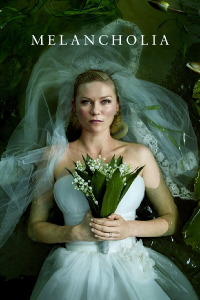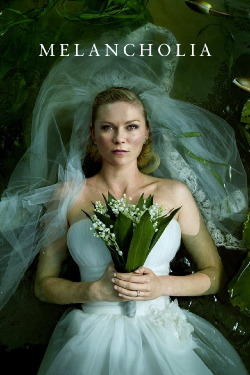
Review of Melancholia (2011) by Edgar C — 08 Jan 2014
"The film needs to be slower and duller at the start so that the viewers who walked into the wrong theatre have time to leave before the main action starts.".
-Andrei Tarkovsky.
An enigmatic feature with wannabe Tarkovskian cinematography, planetary imagery, a classical score and a high-budget-looking Dogme style? Trier must be out of his mind!
Not quite.
Melancholia's two very first shots are references to cinematic influences:
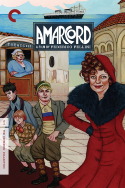
- The first pays respect to L'année dernière à Marienbad (1961).
- The second shot displays the famous painting by Pieter Bruegel the Elder entitled Jagers in de Sneeuw (The Hunters in the Snow), previously featured in two Tarkovsky masterpieces.
The film feels, above all, as an attempt to fix the evident mistakes made in the unfairly criticized Antichrist, a film that was originally intended to be von Trier's memorable cult film, which touched fascinating subjects, but lacked impact and depth in the delivery of its credibility. The fact that Antichrist was dedicated to Tarkovsky was a less than serious blasphemy; Melancholia could have been a better offering to a deceased, yet immortal poet of cinema. This is the part in which the opening quote present in this review plays its role.
The film took multiple risks, which were mentioned in my opening statement. It seems like a Dogme style fusioned with an expensive investment in the visuals it presents is something contradictory. That is my main issue with the film, and that is a mistake that began to take shape in Antichrist, but for some odd reason, this mistake is more justified with this story. We witness the gradual emotional disintegration of two sisters paralleling the disturbances that Earth's nature has began to feel, from plants to animals and bugs. To those already familiar with the Dogme style shall find this film both poetic and engaging, but simultaneously weird given the artistic decisions of the director. Also, if the film intended to build a strong empathetic connection between the audience and the relationship of both sisters, this relationship is underdeveloped, despite being present. Ergo, the climax is less impactful than it could have been.
Still, Trier is rising the bar again and restoring the quality he began to lost in the new millennium. Each criticism and low score this film has received is more or less a sign that Trier did his work fine this time.
83/100.
This review of Melancholia (2011) was written by Edgar C on 08 Jan 2014.
Melancholia has generally received positive reviews.
Was this review helpful?