Review of Margin Call (2011) by C H — 28 Mar 2013
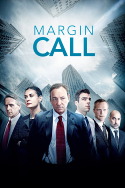
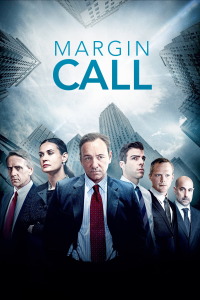
First time director and writer J.C. Chandor delivers a gripping, tense film with Academy nominated screenplay, told largely over the hours of a single New York night.
The majority of the 'action' takes place in dimly lit offices, often lit solely by the banks of computer monitors flashing with the doomed data, with the neon skyline of New York as a backdrop through the office windows. It's a setting that reflects the severity of the situation, once aware of the issue no-one ever suggests calling it a night. The sense of importance is also highlighted by the manner in which the disaster-in-the-making is passed up through the chain, with each manager, head of department, or senior executive, only able to pass it on until the CEO choppers in at 3 AM to rule on the matter.
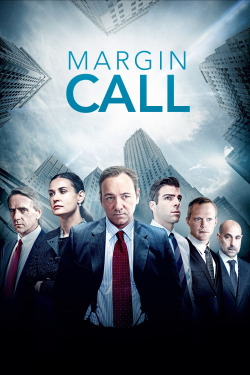
Justifiably, the banking industry has been criticised and penalised for the greed that led to the 2008 crisis but interestingly, despite the firm making a decision that will ultimately lead to the crisis, Chandor gives a voice to the industry to justify their greed and existence. Will Emerson (Bettany) argues that the bankers greed is only able to exist due to the demands of 'real people' to own things they cannot afford, while CEO Tuld (Irons) is considerably more blasé, stating that the downturn is simply part of the economic cycle and even that there will simply be more starving dogs than fat cats for a while. The narrative is balanced however, with Sam Rogers (Spacey) and several others voicing their discontent at the irresponsibility about to be shown by Tuld and Cohen (Baker), while scapegoat Sarah Robertson (Moore) goes down declaring that her warnings were not listened to.
A great cast, an interesting subject and great film making, Margin Call is a must for those wanting a film to test the old grey matter.
This review of Margin Call (2011) was written by C H on 28 Mar 2013.
Margin Call has generally received positive reviews.
Was this review helpful?