Review of Madame Curie (1943) by Anne F — 17 Aug 2011
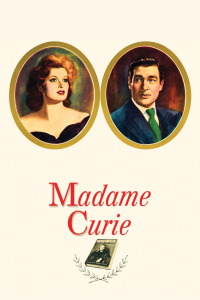
Wow! Fan favorite Greer Garson is Marie, a young chemist studying with renowned scientist Pierre Curie, who's of course played by Walter Pidgeon. They fall in love, and work together to figure out what now is known as radium, an element which, at that time was not yet discovered.
Though eventually they do discover it, tragedy ensues, causing harm in this legendary household. Greer Garson is (in my opinion) the 1940's version of Greta Garbo (which is funny considering they have the same initials).
Like Garbo, Garson was having one box-office and critical success after another, winning an Oscar for "Mrs. Miniver", but also getting nominated non-stop after that, in fact so many times, it has been tied with Bette Davis' nomination streak from 1938-1942.
This movie (unlike many of her other films) was awarded with many nominations other than her acting, and everyone is hard not to disagree on. Biopic's were hot, and always brought in audiences. Watching many, I have discovered that it seems the director always focuses on romance, and fictionalizes everything else in the process.
But with "Madame Curie", Mervyn LeRoy does anything but. Yes, there is romance, but not the kind you'd see in most. The main focus in the Curies' study of radium, which actually becomes very entertaining with Garson and Pidgeon's excellent acting.
Parts of it remind me of "CSI": so many big words! Thankfully, the twosome have the same chemistry they had in "Mrs. Miniver" and are very believable as a married couple. So many moments are emotional, dramatic, and sad, yet not one minute is overdone, and they handle it as people would in real life.
"Madame Curie" is a great look into biopics, and I recommend it highly.
This review of Madame Curie (1943) was written by Anne F on 17 Aug 2011.
Madame Curie has generally received positive reviews.
Was this review helpful?