Review of Macbeth (2015) by Omar K — 30 Nov 2015
When it comes to adapting Shakespeare for the big screen, it isnâ??t about how the story could unfold, it solely rests on whether the content is interpreted and manipulated to a sufficient grade. And with each adaptation comes the great expectation of bringing something new and insightful to works of over 400 years of age. None of the Bardâ??s tragedies are as simple yet savagely volatile as Macbeth, so with it the comes the problem of adding something innovative to the set in stone themes of love, revenge, insanity and death, as well as having the actors immerse themselves in the role and not resort to autopilot once an emotion kicks in. And with Justin Kurzelâ??s modern attempt at tackling the merciless Scot rifling into our cinemas, the trap of unoriginality is dodged, for Kurzel has told the story primarily through its striking imagery more so than anything else. For people that havenâ??t read Macbeth or arenâ??t as familiar with it as they used to be, it is quite hard to catch on seeing as Shakespearean language is only common at the age of adolescence, so going for imagery-driven storytelling is an alteration that has brought novelty to a true stoic of ruthlessness.
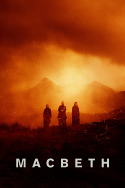
Compared to its source material, Macbeth interprets scenes in an interesting way as such where the images hold more weight than the acting. This translates into efficiency because each image projected on screen is strikingly resonant of its themes. From the fact that the writers have turned an implication into fact with their dead childâ??s funeral at the onset proclaims this adaptation as already breaking the mould of Witch predicting, who do come but are somewhat underwhelming in appearance and prophetic chanting. Then once the film shifts to the battlefield, Macbethâ??s playground, the epic fight told through so many angles using slow motion and the intercutting of mountaintops lets you know that this isnâ??t a conventional Shakespeare story, it has been given the cinematic treatment, and it works!
But what appears weaker is Macbethâ??s portrayal who cannot thrive unless given much more to do. His downfall seems inevitable at times because everything occurs in the open, for everyone to see early on, giving him that doomed image, something that shouldnâ??t be so concrete in order to heighten the tragedy. When Macbeth usurps the throne he takes command too easily and Lady Macbeth loses her power to hold a grudge at the click of her fingers, becoming the innocent peace-maker appalled by the extent of her will, allowing Macbeth to display his excessive ambition, which to us is overshadowed by his over-zealous insanity. When there is a mood the characters are in, they stick to that mood and never let go of it, allowing us to see clearly, perhaps a bit too clearly, their psychological trappings. Maybe itâ??s because the story is common knowledge, but something in the characterâ??s depictions isnâ??t right.
So is it Michael Fassbender and Marion Cotillardâ??s fault? Do they resort to autopilot when an emotion kicks in? Well, after Duncanâ??s murder I think it is safe to say there is little room for emotional manoeuvre. Despite appearing as the definitive-looking Macbeth, Michael Fassbenderâ??s instant change upon committing regicide is palpable in his eyes and from here on cannot even hide his mental instability, making his change somewhat overwhelming. Fassbender retains the intimidating presence factor, but it is an authority of violence rather than reputation, forcing Macbeth to become a straightforward brute. Marion Cotillard gives a performance of two halves as Lady Macbeth for she is as conniving as we could have hoped for at first, but her capitulation is lacklustre. She scurries anxiously trying to get Macbeth to halt his killing spree despite egging him on, and so their hand in hand business appears vague, making her demise come as hardly a shock to her husband. Cotillard has done crazy before in Inception, and that is when she thrives immensely in Macbeth, giving special notice to her final monologue, which is acting at its bare nakedness. Both Fassbender and Cotillard assume their different traits and feelings so forcefully that they lack much complexity, but make no mistake both actors are extremely powerful to watch that they pass the ultimate Shakespearean test for actors!
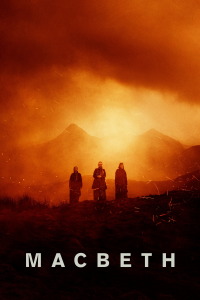
Macbeth finds its success through its imagery, which is given perhaps the most attention by Kurzel. You could call this film â??landscapesâ??, â??mountaintopsâ?? or â??mistâ?? to be honest because the random popups of the Highlands gives the film that tragic encompassing we've come to expect of Shakespeare, making everything feel so important because the reverberations are being felt from a distance. The fog is such a powerful tool for it makes up for the mysteriousness missing in our protagonists, and then the collocation of bright and dark images tells us how much their compass of morality is darkening as the story unfolds. This over-reliance on visual storytelling brings out the ferocious side of Macbethâ??s setting and allows the witchesâ?? divination to take on extra significance, not to mention function, as a replacement for the characterâ??s to do less.
Kurzelâ??s adaptation has the magical quality of luring you into this grim and gritty world of Macbeth. The atmosphere is quite understated though, which is strange, but it is the underlying music that is just too powerful and influential on the overall impact. This is a good thing because the ambience feels raw and underdone, something I thought Iâ??d never say, because Macbeth, despite dealing with insanity and murder, works at an intensity that simmers until the climactic battle at the end. Talking about that foggy and carroty-skied fight between Macbeth and Macduff, whom I should mention is given a powerful treatment by Sean Harris, there is an inkling of similarity to Troyâ??s Hector vs. Achilles showdown thanks to the use of drums to get us into the rhythm of the fight. It is filmed so beautifully that this adaptation comes to a satisfying close. Kurzelâ??s Macbeth feels like a mighty poem that is so commanding no words are needed a lot of the time, giving this rendition an original image that easily makes it the best Shakespeare production for a long time.
The Verdict:
So arresting are the visuals of Macbeth that the imagery tells the story on its own, in turn causing its protagonists to be absent of much complexity.
â??â??â??â??â??â??â??â??â??â?? 8/10.
This review of Macbeth (2015) was written by Omar K on 30 Nov 2015.
Macbeth has generally received positive reviews.
Was this review helpful?