Review of London After Midnight (1927) by Sarah F — 21 Oct 2006
It's impossible to view the recent Turner Network-sponsored reconstruction of Tod Browning's lost 1927 film "London After Midnight" without feeling a sense of anti-climax; indeed, the movie's reputation has grown over the years to the point where it now suffers from "Phantom Menace" syndrome -- a fervent belief that the film in question will be a transcendent viewing experience. So when the movie reveals itself to be merely "adequate," we feel irrationally cheated.
The story itself is nothing terribly special. A man is found dead in his London home, apparently the victim of suicide. However, the police become mildly more interested in the case when the dead man begins leasing property in the surrounding area. Faster than you can say "lawsuit by the Bram Stoker estate," the now vampirifed (or so it seems) gentleman is matching wits with Scotland Yard's finest.
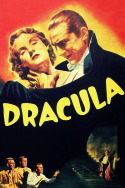
If it all sounds a mite familiar, it probably should. Director Tod Browning, who almost certainly got the gig to direct "Dracula" for Universal based on his work here, would later recycle many of the plot points from "London After Midnight" in the Bela Lugosi classic four years later (i.e., a dead man/vampire starts buying property in the London area, while his adversaries sit around talking in the parlor).
The main problems with this reconstruction, which relies exclusively on title cards and still photos to tell its story (making the movie feel like a cross between a Powerpoint presentation and a comic book), is that we get no sense of atmosphere. The sets look great, and Chaney's vampire make-up is to die for (no pun intended), but we never fall under the spell of the locale, as we do in both "Dracula" and Chaney's earlier "Phantom of the Opera." And the sense of mood isn't helped by the arbitrary and sometimes unfortunate choices for character names (no joke... one of the women is actually named "Bat Girl").
Still, considering that the only known copy of "London After Midnight" was destroyed in a vault fire in the mid-60s, this Turner reconstruction, flawed as it may be, is the only way we have to view the film today. It's better than nothing, but be warned that the story will probably play better in your imagination than on your television.
This review of London After Midnight (1927) was written by Sarah F on 21 Oct 2006.
London After Midnight has generally received mixed reviews.
Was this review helpful?